Humble’s cabless, fully electric, autonomous freight platform is competing head-on with traditional trucking
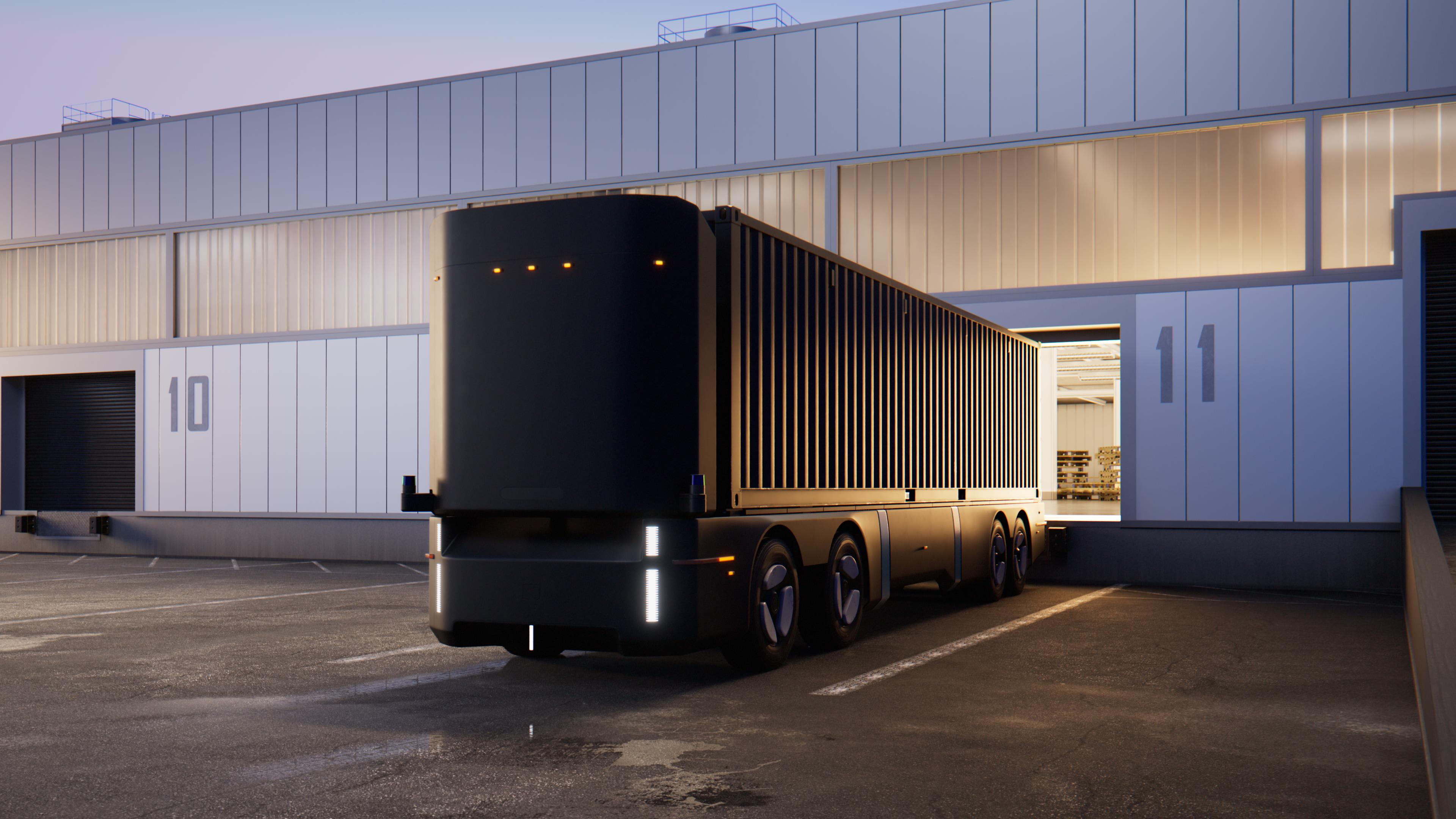
With some of the greatest labor constraints of any industry, trucking has long been one of the most “obvious” use cases for autonomy. The opportunity for physical AI to fill the gaps where humans can’t has only increased as demand for freight services and operating costs have skyrocketed year after year.
Yet most attempts to apply robotics to the nearly $1 trillion U.S. trucking market haven’t panned out, because they have gone after the problem with a fundamentally flawed approach: Autonomy as an add-on to the existing trucking system.
This doesn’t work in the world of trucking. When you build for OEMs, you are entirely reliant on a partnership with a customer that requires near-perfect reliability — yet doesn’t operate on the rapid iteration cycles you need in order to develop, test, and deploy your product at a level to establish its performance and value. The complex, co-dependent dynamics between OEMs, trucking operators, and the providers of AV technology create countless points of friction, undermining any advantage autonomy could have on the underlying economics of the business.
With this approach, it’s no surprise that most autonomous trucking solutions never scale beyond the pilot phase. Eyal Cohen understands these dynamics all too well. Having spent his career at the intersection of autonomy and trucking at companies including Otto, Uber, Apple, Spark AI, and, most recently Waabi, he intimately understands the technical and GTM shortcomings that make it so hard for AV technology to break into the trucking industry.
So he took an entirely different approach: Apply cutting edge technology to create a new category of freight vehicle, solving real problems for the logistics industry. This is Humble, which is coming out of stealth today. Eclipse is proud to be leading their $24M seed funding.
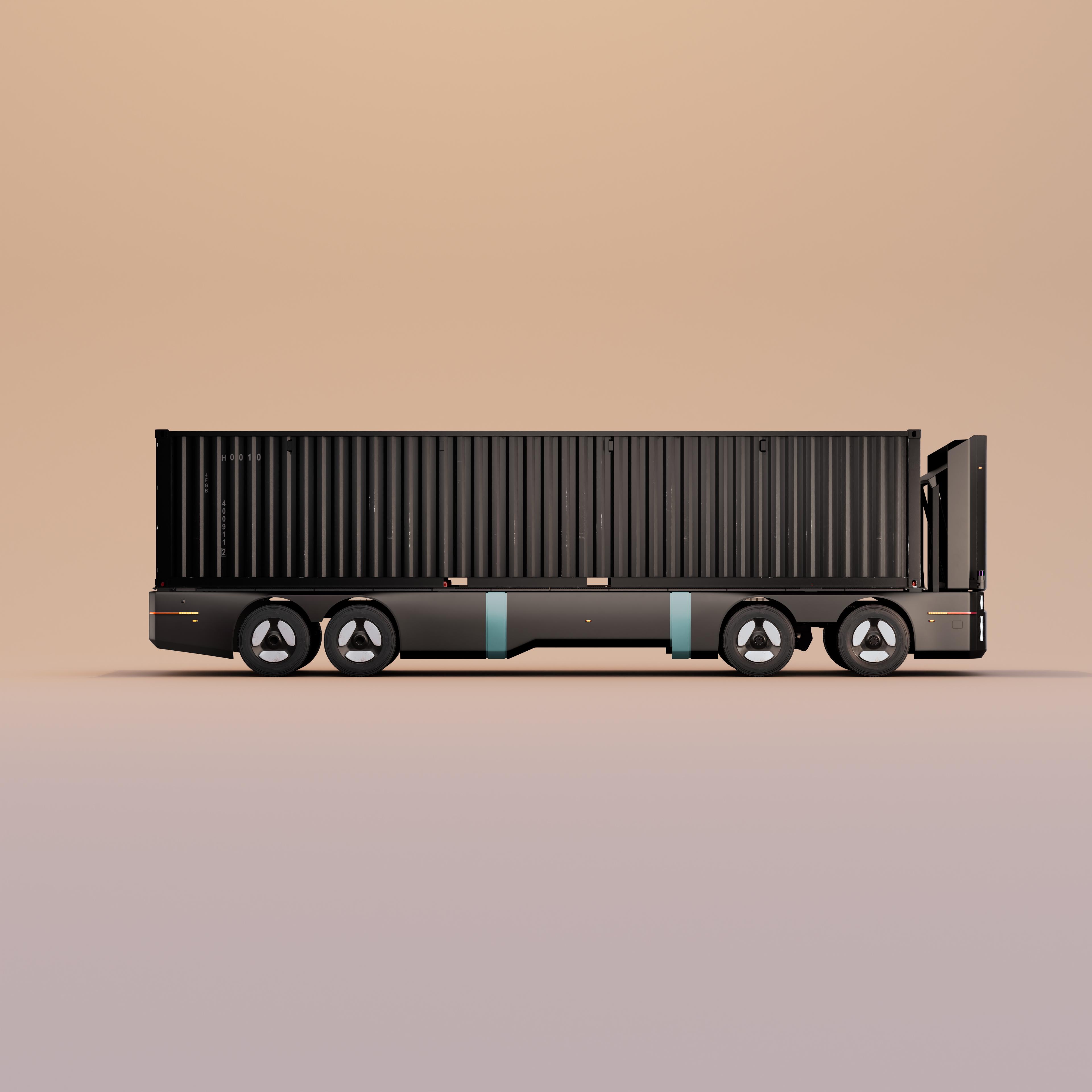
Humble isn’t another driverless truck — it isn’t a truck at all. It’s a cabless, fully electric hauling platform purpose-built for the cost-effective transportation of goods. Built to adapt to different cargo types and logistics environments like warehouses, railyards, and seaports, the Humble Hauler is a Class 8 vehicle that can unload directly at the dock. Cameras, lidar, and radar afford the hauler with 360-degree visibility of its surroundings while vision-language-action (VLA) models enable it to assess any environment and take the right action, even if it's never been there before.
Along with the ability to universally provide efficient, tireless service across a range of cargo environments, the Hauler platform is significantly lighter and cheaper to produce than traditional Class 8 vehicles. Its electric powertrain removes the massive cost consideration of volatile fuel prices, while its stripped-down, cabless architecture is far simpler to maintain.
It thinks like a human, hauls like a truck, but operates in a way that fundamentally changes the way we move freight from one point to another. The results are a dramatic reduction in freight operating costs.
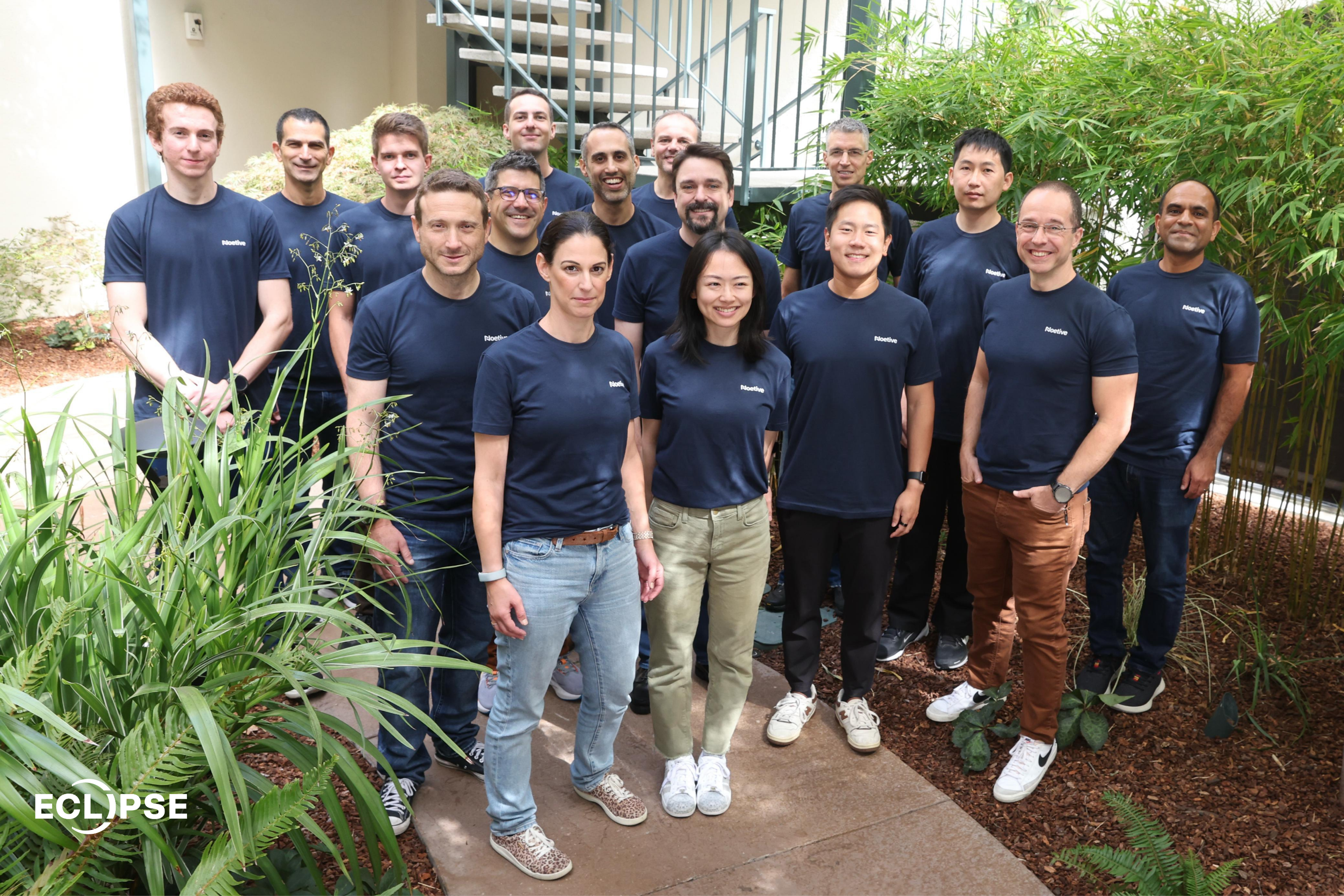
Eyal has assembled an incredible team with deep experience in physical AI, automotive, and electrification from companies including Tesla, Waymo, and Cruise. This includes Humble Head of Autonomy Drew Gray, who led Autopilot at Tesla in its earliest days, scaled engineering at Cruise, and helped build autonomy programs across Otto, Uber, and Voyage (if you’ve been in this space long enough, you’ve probably seen Drew’s work in one form or another). In just six months, they’ve built their first prototype, and Humble will soon begin testing the Humble Hauler with logistics and supply chain partners.
We see tremendous opportunity in this approach. Rather than tasking the vehicle with transporting goods hundreds of miles across open freeways, Humble is beginning with shorter but more complex (and higher frequency) routes between cargo points. This strategy clearly demonstrates the team’s recognition of where autonomy can deliver value quickly.
This method of getting to market has resonated across the industry. Customers are responding to the idea that a Humble Hauler can deliver real value to their operations today, from reducing operational costs to increased payloads. Regulators have appreciated the ground-up vehicle design that addresses their priorities ranging from cargo security to full rear visibility. These learnings come from the deep industry experience the Humble team brings to the table.
Humble’s decision to build a vertically-integrated business based on a universal platform (which more closely resembles Rivian skateboard technology than any other AV freight product) isn’t an unnecessarily risky “flex.” It’s a requirement if you want the economics to work. This isn’t a first pass at a problem. It’s a more informed one.
This is the kind of wisdom that has created a wave of physical AI companies that are finally getting somewhere after years of incremental progress in the field writ large. For the past decade, we’ve seen countless robotics startups that have built amazing prototypes with intentions to solve a clearly defined problem, but they couldn’t get off the ground for one reason or another — the tech was too early, the market wasn’t ready, the talent or capital wasn’t there, or they took the wrong GTM approach. But now, there is a cohort of seasoned robotics operators and repeat founders like Eyal who are building new systems with autonomy at the core. They are building with a solid understanding of the economics of the business and tight integration across hardware, software, and operations. This provides a clear path to capturing value.
Across our portfolio, this shift is clear. Mytra was founded by former Tesla engineers who were working on humanoids before they focused on the foundational problem of material flow in industrial environments. Constraining the problem to its fundamentals enabled them to develop a system, in partnership with customers, that actually works. Bedrock is built by roboticists who’ve lived through full autonomy cycles, both as repeat startup founders as well as their time at Waymo, and seen what does and doesn’t scale. Blue Water Autonomy founder Rylan Hamilton’s path from Kiva to 6 River Systems reflects the same pattern: Early models that required significant adjustment, followed by ones aligned with how the industries for which they are building deploy and monetize new tech.
These are second passes, built by people who understand how system design, market structure, and economics interact. In freight, the conclusion is straightforward: Autonomy doesn’t work as an add-on. It works when the system is built around it.
At Eclipse, we are drawn to founding teams who take a clean-sheet, first-principles approach to solving old problems in new ways. Humble is a team that knows how to execute, and has a strategy that aligns technology with economics — not just capability with curiosity.
That combination is rare. We’re thrilled to partner with Eyal, Drew, and the Humble team as they reinvent the wheels moving freight.
Follow Eclipse on LinkedIn or sign up for Eclipse’s Newsletter for the latest on rebuilding essential industries