Here's a pattern I've seen dozens of times:
A team builds an incredible prototype. The technology works. Customers are excited. Investors write checks. The founders are confident they're 80% of the way there.
They're actually 20% of the way there. And most of them will fail in the next 80%.
The gap between prototype and production is where hardware companies go to die. It's where brilliant technologists learn that manufacturing at scale is a completely different discipline than building something that works. It's where well-funded startups burn through hundreds of millions of dollars without ever shipping a product that customers can buy.
I've been on both sides of this gap. At Tesla, I was part of the team that scaled low-volume Roadster production to the fully integrated manufacturing of Model S and X — building an operation that reached $8 billion in revenue run-rate. At SunPower, we scaled manufacturing to $2 billion in annual revenue on an entirely new technology platform.
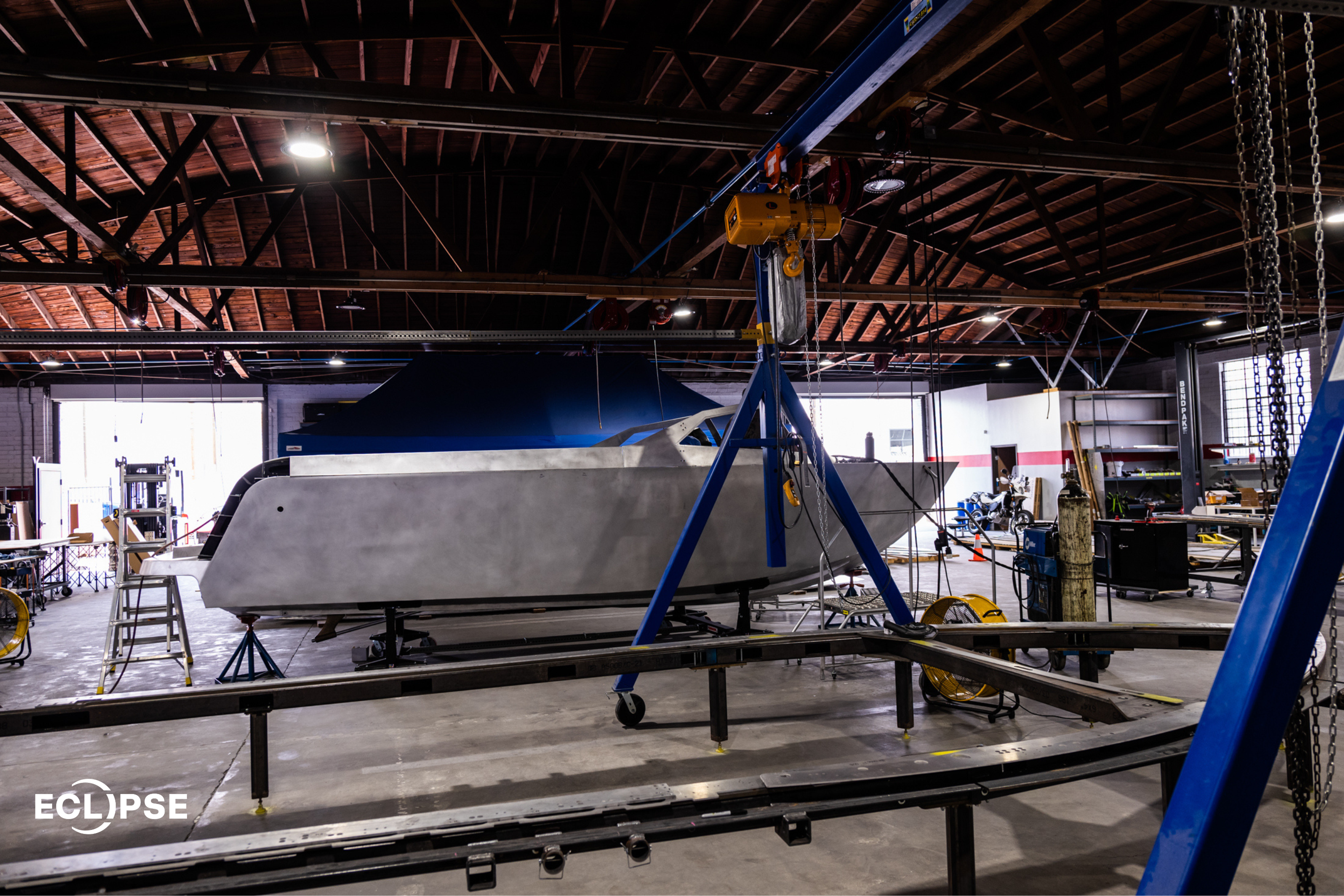
Now at Eclipse, I work with hardware founders who are navigating this exact transition. Today, companies like VulcanForms, Arc Boats, and Peak Energy (all of which have been partnered with Eclipse since seed stage or even earlier) are transitioning from substantial but limited production into industrial-scale commercialization.
The companies that make it share something in common. It's not better technology. It's not more funding. While these companies are full of brilliant people, their success is more subtle than that.
It's discipline. Specifically, the discipline of industrial scaling.
The Prototype Delusion
Building a prototype that works is hard. I don't want to minimize that accomplishment. But it creates a dangerous illusion.
A prototype needs to work once, or maybe a few times. Production needs to work thousands of times, consistently, with materials sourced from suppliers, full of variability, assembled by people who didn't design it, tested by systems that can't read minds, and shipped to customers who expect it to work perfectly out of the box.
Every decision that was "good enough" in the prototype phase becomes a crisis at scale:
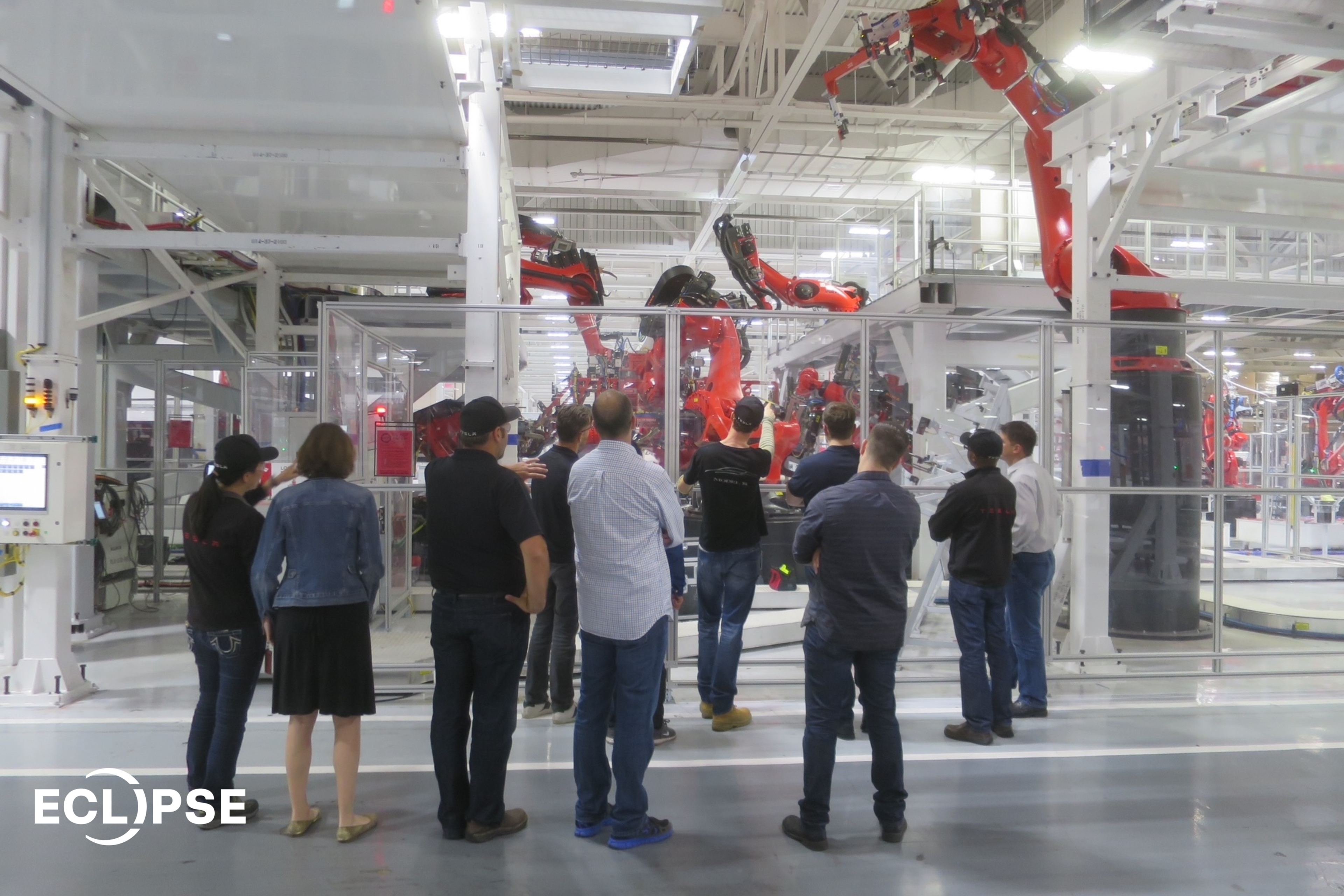
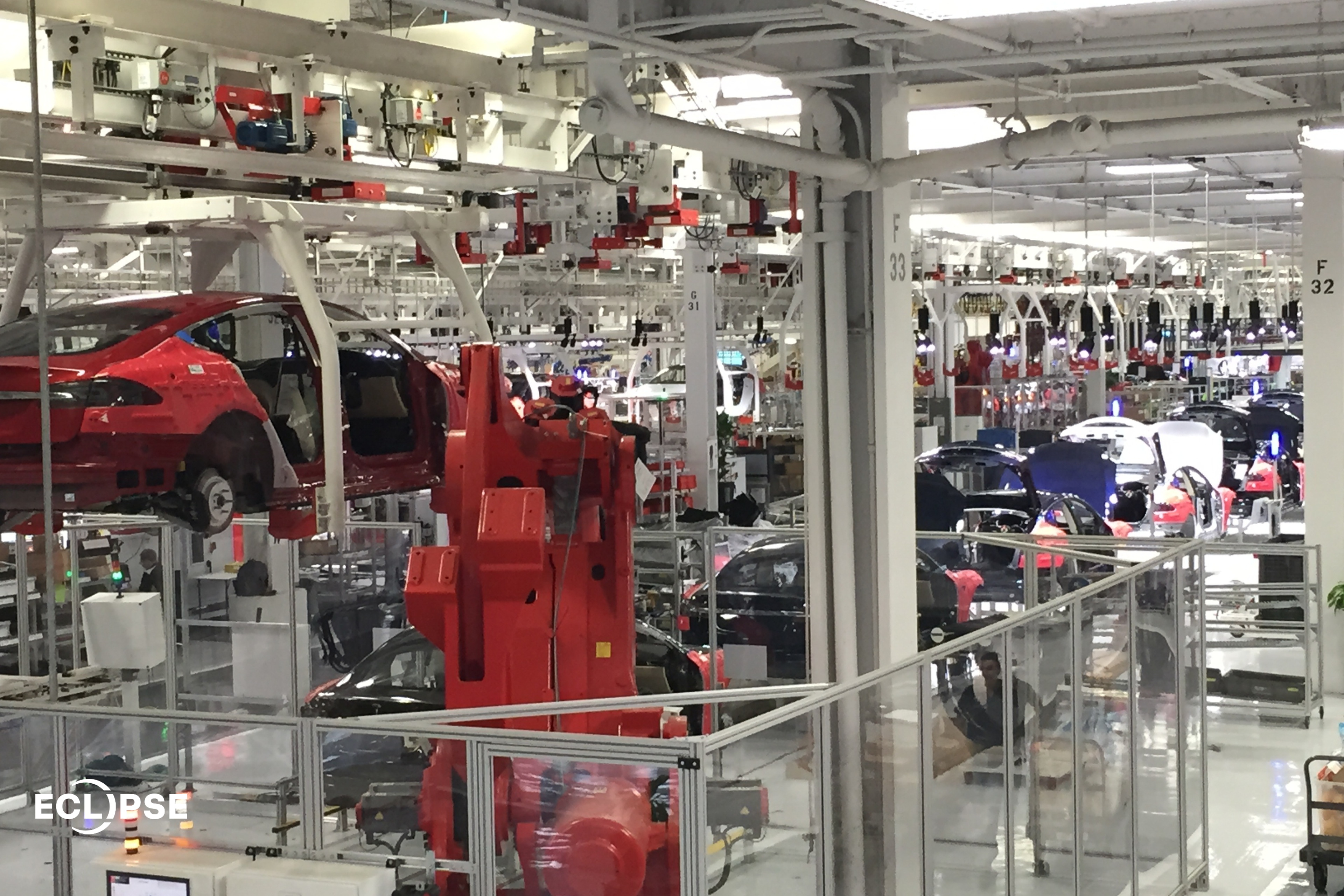
The Tesla Model S and X (rest in peace) were great examples of this challenge. The early prototypes were hand-crafted by expert engineering and design studio teams. Yet, as it was time to transition into production, the variability from an extremely complex supply chain coupled with manufacturing variability led to nearly every car failing to be cleanly built. Our first pass yield was zero.
The prototype wasn't a preview of production. It was a completely different activity.

Why Software Thinking Doesn't Transfer
The default playbook in Silicon Valley comes from software. Ship fast, iterate, fix bugs in updates. Move fast and break things.
This works when breaking things means a user sees an error message. It doesn't work when breaking things means a $50,000 product catches fire, a factory line goes down for a week, or a customer loses trust in your brand.
Physical products have physics. They have suppliers with lead times. They have tooling that can cost millions, and that you can't change with a pull request. They have safety regulations and certification timelines. They have customers who can't download a patch.
The software instinct to "just ship it and iterate" kills hardware companies. You can't iterate your way out of a fundamentally flawed manufacturing process. You can't A/B test your way to a working supply chain.
Hardware requires you to get things right earlier. Not perfect — perfect is the enemy of shipped — but right enough that you're not rebuilding from scratch when you try to scale.
The Discipline
Over the next several posts, I'm going to share what I've learned about crossing this gap successfully. Not theory — specific, tactical knowledge from the factory floor. Here’s that playbook at a glance:
Vertical integration: When to build components yourself and when to buy them. The "layered capacity" strategy that gives you speed and scale.
Tesla originally started with the battery and motors outsourced. This failed. While these components were obvious to bring in-house for Model S, even components like the high-voltage fuse and cables were vertically integrated.
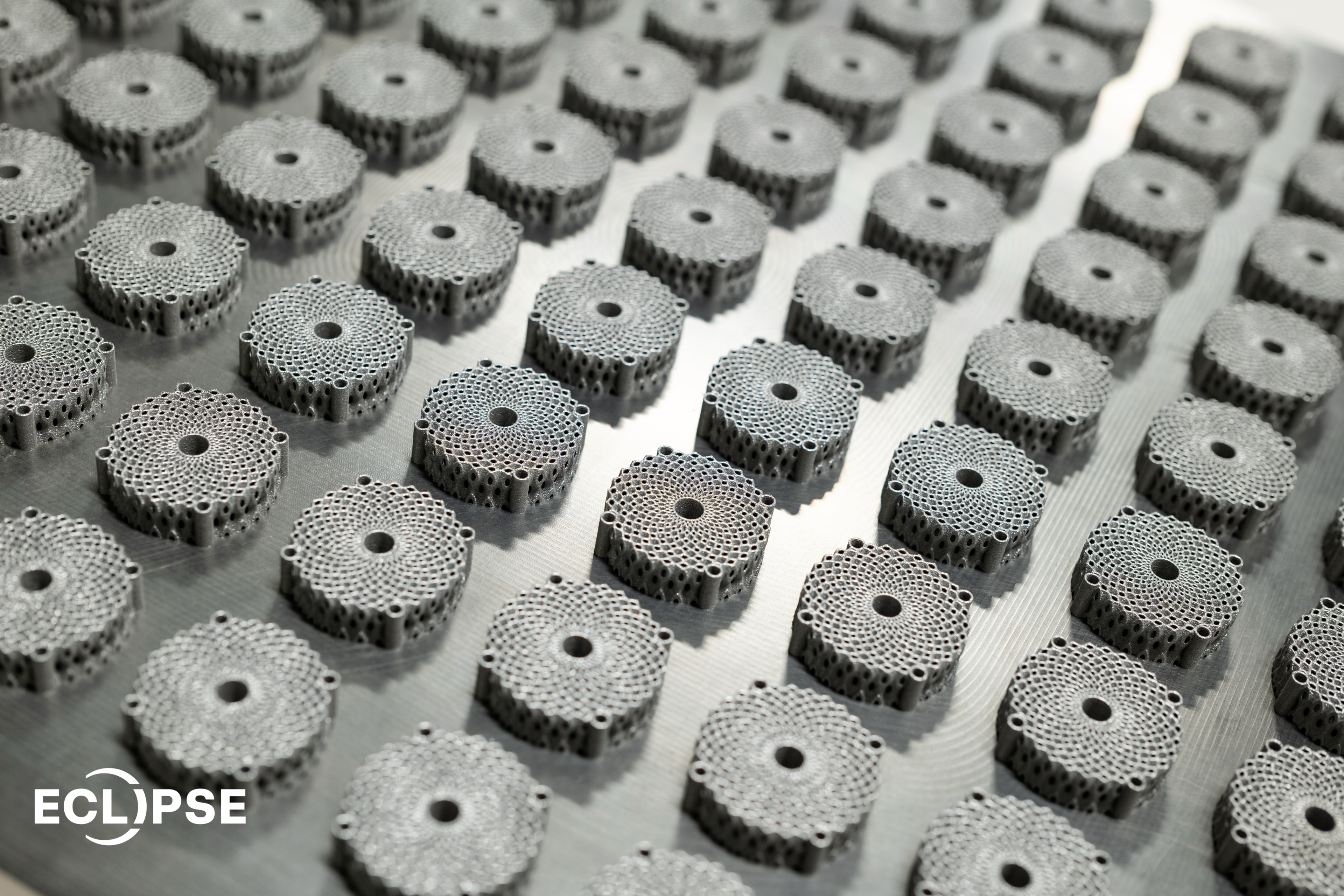
At VulcanForms, which is building high-precision metal components, we chose very early to have full control over some of the precision optics and more recently the incoming raw powder. None of this follows the HBS playbook on how to build a business, yet these decisions have been fundamental to the company's success.

The pilot line: Why your first manufacturing operation should be in the same building as your engineers, and how to use it as a learning machine.
While building and scaling hardware companies is different from a SaaS company, one common feature is the importance of the rate of learning. This is the fundamental metric that determines success or failure. Building your own product on your own pilot line by the people that designed the product is the fastest way to get this learning. This can never be outsourced if you want to win. We will explore in this part of the series why my Partner Charly Mwangi believes “slow builds” are the key to moving fast.
Rate of change: Case studies on companies that have moved fast and made things work.
We’ll look at how Tesla implemented 50 changes per week to the production vehicle, and why accepting "good enough" can kill your company.
We will explore how Ursa Major and Arc boats are able to turn around and test design changes in a day and what this has meant to their ability to successfully launch new products.


Crisis as catalyst: How to use high standards as a forcing function for breakthroughs, and when to deliberately create a crisis. Some of the best CEOs I have worked with are masters at this. It is a powerful tool that can also be destructive. We will explore when and how to use it appropriately.
The factory team: What to look for when hiring your first VP of Operations, and how to build a manufacturing culture.
Transitioning a company from a research and engineering centric culture to one shipping real products is incredibly difficult. How do you maintain the creativity, speed, and scrappiness of a start-up while meeting the realities of production that prefers stability and conformity? It takes the right leaders and systems to drive this.
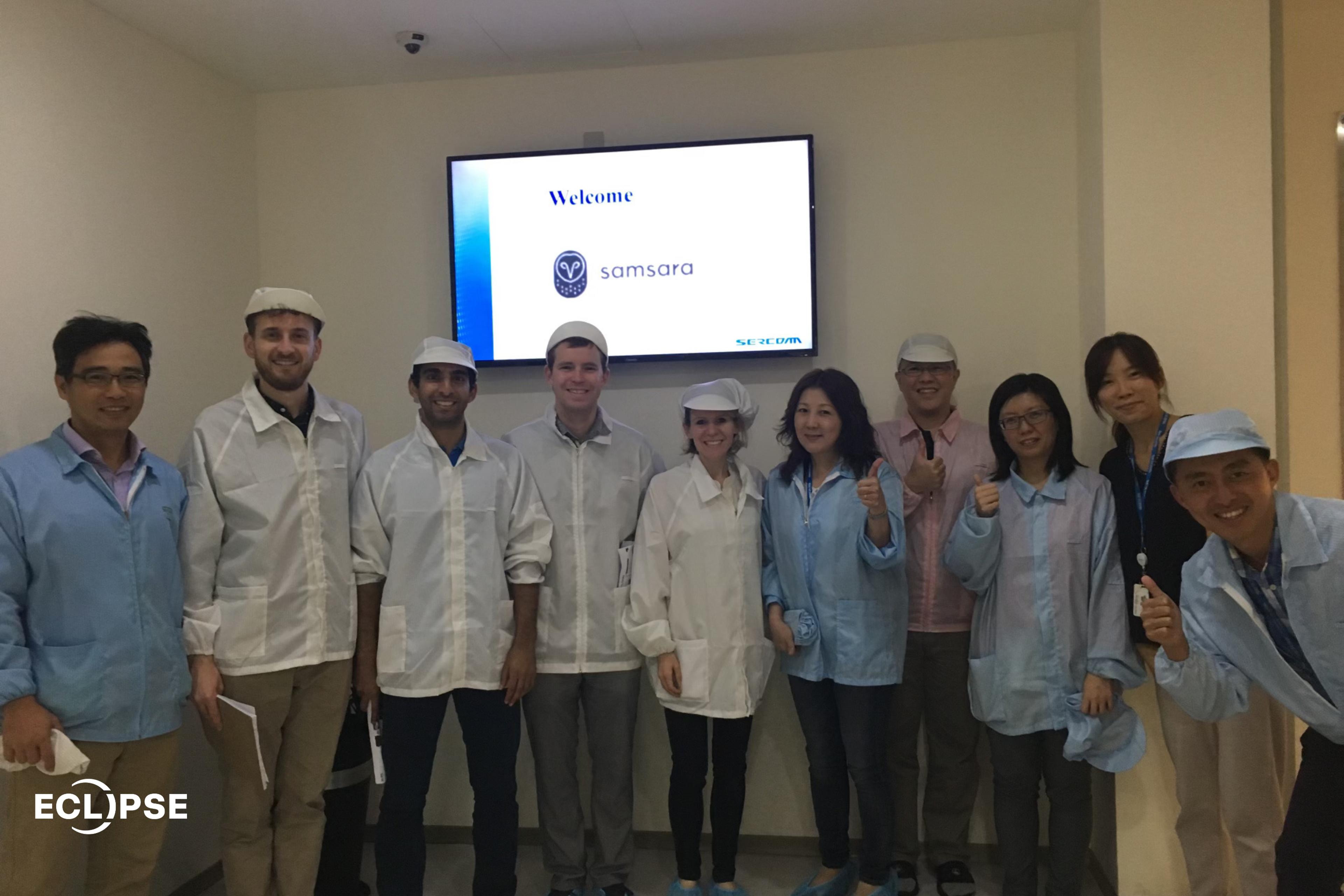
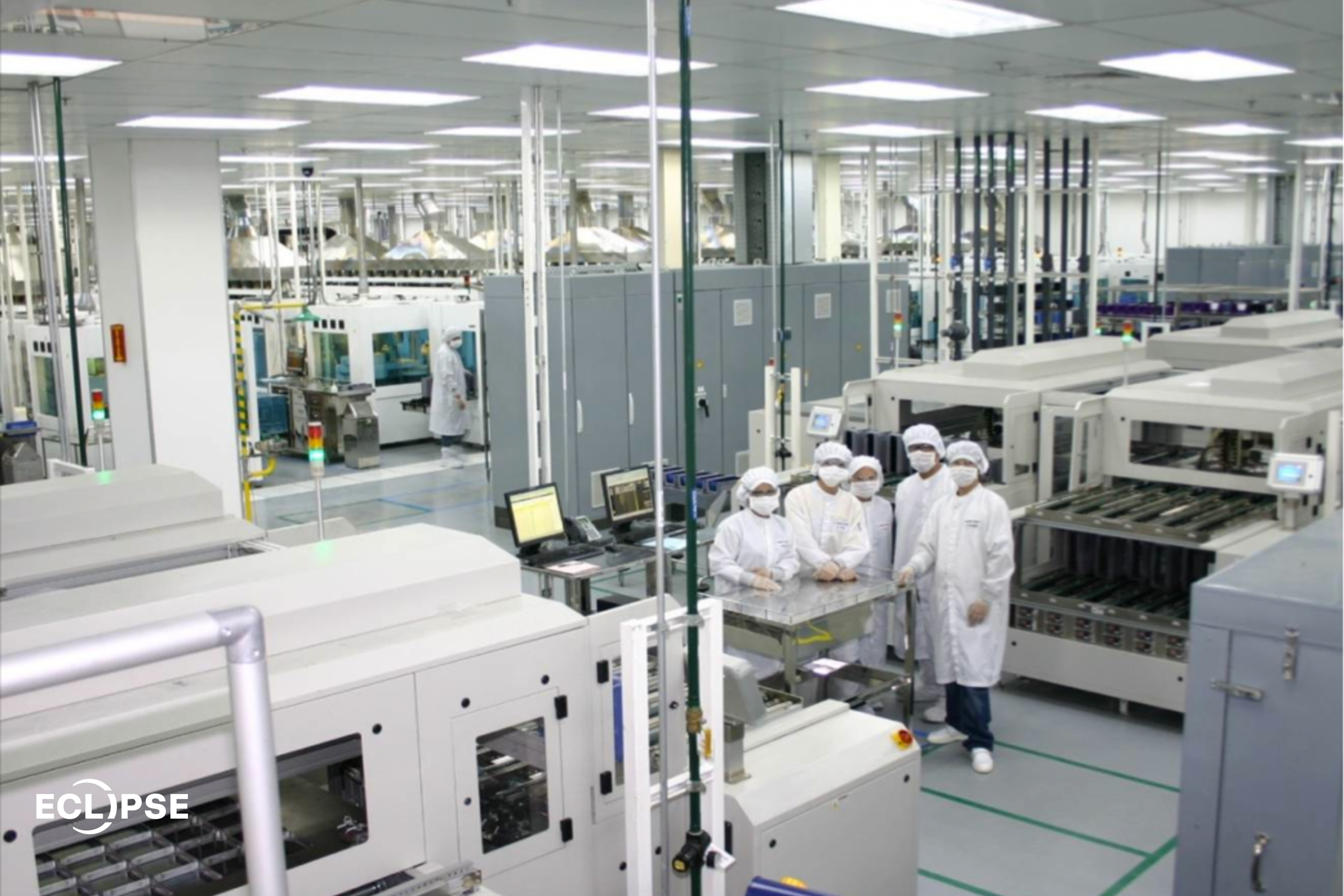
Suppliers and systems: How to manage supplier relationships at scale, and the information systems that keep a factory running. Eclipse Partner Aidan-Madigan Curtis led this battle time and time again for companies like Apple and Samsara.

The Stakes
This matters beyond any individual company. For too long, American industry has outsourced the knowledge that comes from building things.
We've lost the muscle memory of manufacturing at scale.
We've ceded competitive advantage to countries that never stopped building. The founders we work with are trying to reverse this. They're building new manufacturing infrastructure, autonomous systems, robots, semiconductors, medical devices, and energy systems.
They're tackling problems that require hardware — problems that software alone can't solve.
But most of them weren't trained for this. There's no "how to scale a hardware company" class at Stanford. The knowledge exists in the heads of people who've done it, and too little of it has been written down.
This playbook is my attempt to change that.
Follow Eclipse on LinkedIn or sign up for Eclipse’s Newsletter for the latest on rebuilding essential industries