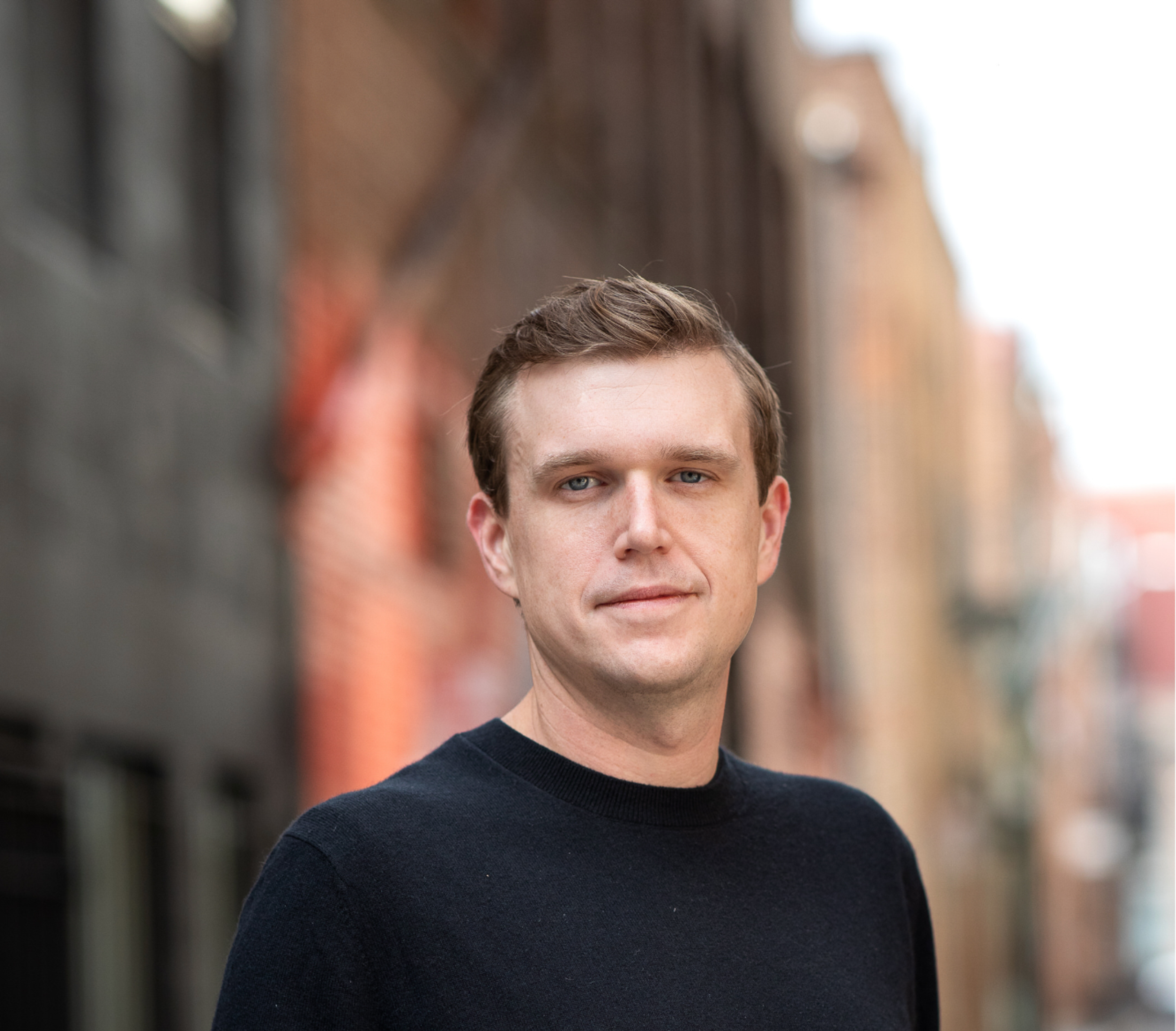
Dan Preston
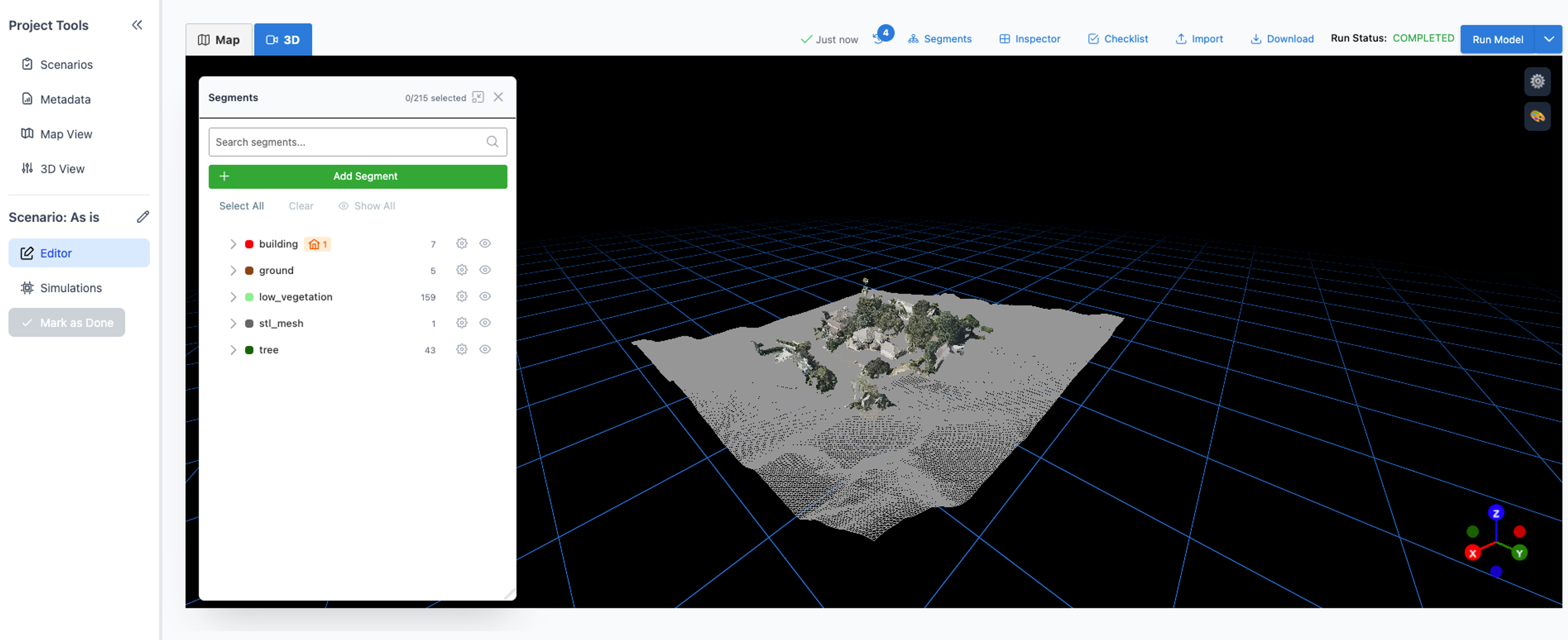
Stand is a property protection company that uses physics-based simulation to make homes and buildings survive disasters, such as wildfire, wind, and flood. It provides insurance to directly lower the all-in cost of protection and makes structural hardening the primary incentive: the safer the property, the better the coverage and price.
Founded in San Francisco, Stand was built on a conviction the insurance industry has resisted: That the right response to accelerating property risk is prevention, not retreat. Where incumbents cut exposure, raised prices, and abandoned entire states, Stand’s founders saw a different path: Use computational fluid dynamics, high-resolution remote imagery, and GPU-driven simulation to model physical risk at the property level, then act on it. The company endeavors to understand exactly how a structure will perform under fire or storm, prescribe and execute the modifications that change that outcome, then write insurance backed by the hardened risk.
Stand currently operates in California wildfire and Florida hurricane markets, two of the highest-risk, most insurer-abandoned geographies in the country. The company is backed by the world’s leading reinsurers, and supported by investors including Eclipse, Lowercarbon Capital, and Inspired Capital. Its portfolio of physically hardened properties produces loss ratios structurally below the industry average, validating the core thesis that mitigation-based underwriting outperforms exposure management.
Stand’s ambition extends beyond insurance. As its simulation platform scales and its hardened portfolio grows, Stand is building toward a future where physics-driven risk analysis, continuous monitoring, and proactive mitigation replace the premium model entirely, becoming the operating system for protecting the built world at scale.
“A billion-dollar disaster hits every 18 days. Stand simulates disasters before they happen — and protects the properties in their path, physically and financially.”
Co-Founder & CEO
Dan Preston