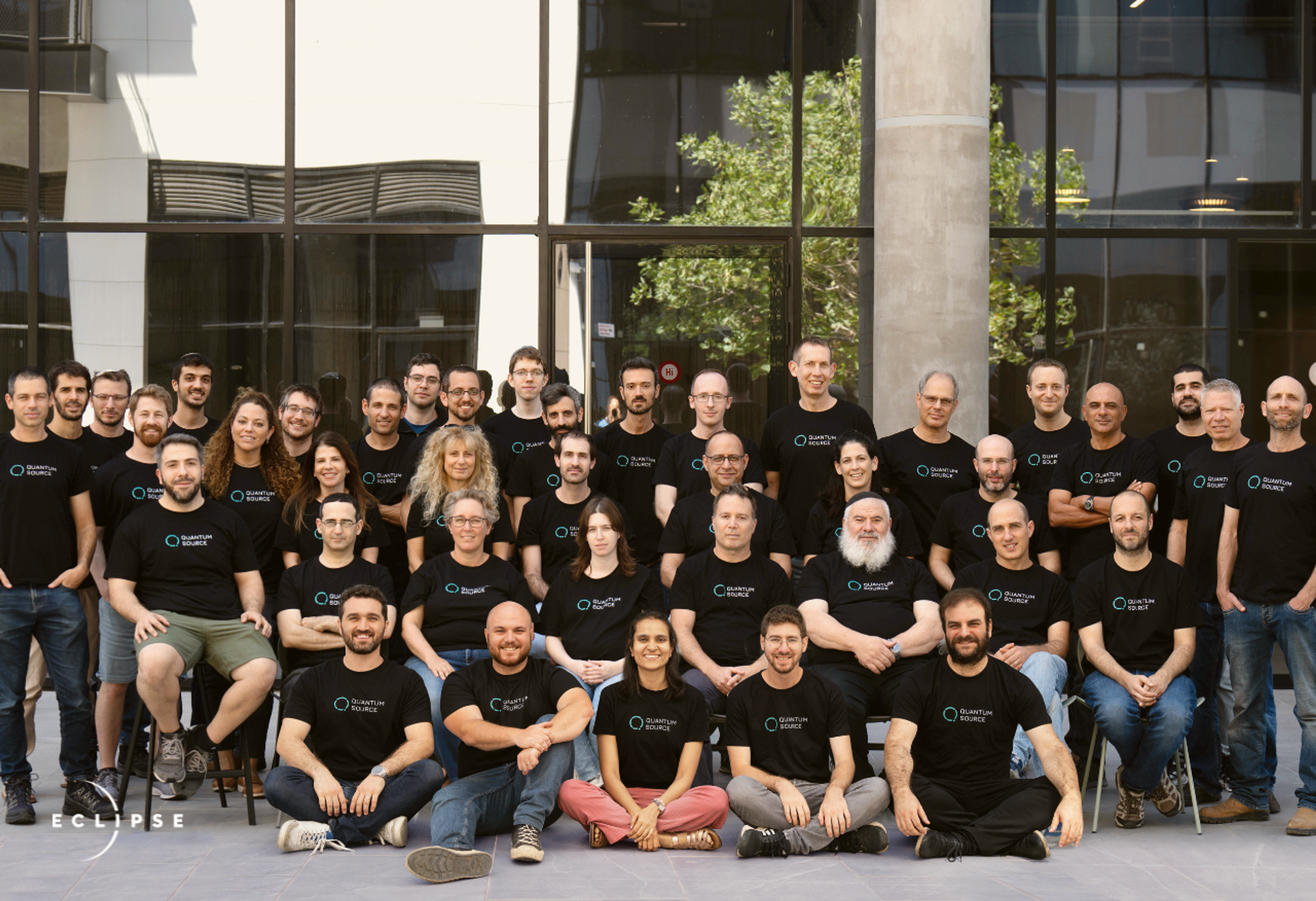
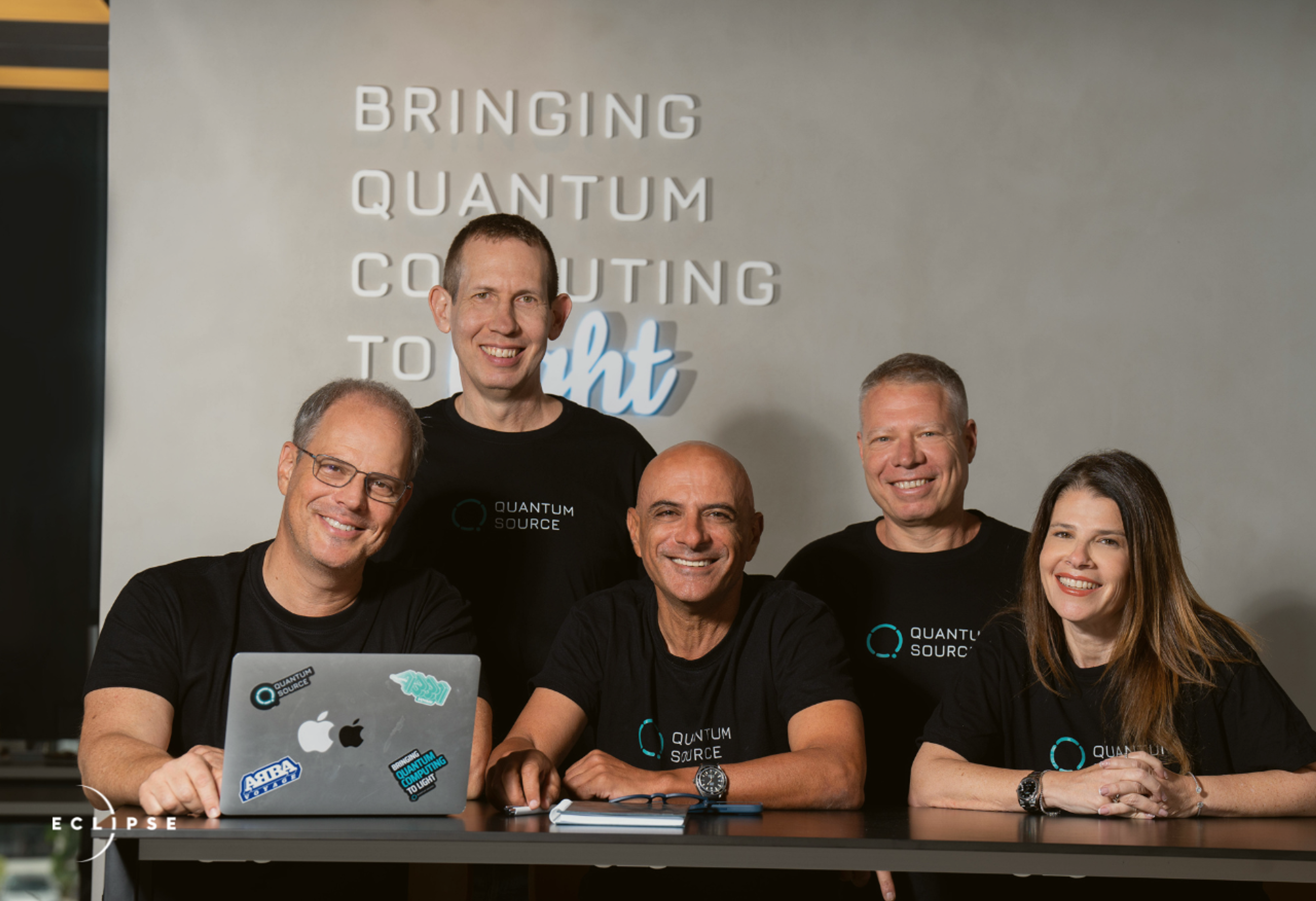
Eclipse is thrilled to lead the company’s $50M Series A to accelerate the company’s mission of developing scalable quantum computers that solve practical computational problems.
The Promise of Quantum Computing
We’re in the midst of a quiet technological arms race and the winner will define the future of global computing. Similar to the Space and Nuclear races of the twentieth century, countries across the globe are investing significant capital into quantum computing in pursuit of a singular outcome: An advanced quantum computing system designed to reliably outperform traditional computers in solving complex, real-world computing problems.
While the U.S. maintains leadership in quantum computing research, China is making great strides to catch up and take the lead. As of 2024, China has made $15.3 billion worth of public investments in related research, compared with $3.7 billion by the U.S. Several other countries around the world are allocating billions of dollars. These investment amounts are forecasted to increase significantly over the next decade.
So, why do the world’s superpowers, and largest technology companies, care so much about unlocking this technology? When achieved, scaled quantum computing systems will have massive implications. Complex computational problems that would take the most powerful traditional computer years to solve could be solved within seconds with a quantum computing system. The implications of these capabilities are revolutionary. Quantum computing will accelerate discovery, for example, expediting materials development, breaking the encryption used to secure digital systems, enabling society-changing pharmaceutical breakthroughs, and facilitating the development of artificial intelligence.
The race for quantum computing dominance is more than just a technological pursuit — it’s a matter of strategic importance for nations seeking to shape the future. Quantum computers represent the next frontier of innovation. For sovereigns, leadership of this revolution is not about staying competitive; it’s about securing a position of global influence. The nations that invest in this technology will propel their societies forward, fostering breakthroughs that will ripple across economies and reshape the balance of global power.