Our investment in Tortuga Logic
Cybersecurity is at a crossroads. Spending on cybersecurity is expected to exceed $133 billion¹ in 2022, and yet we still have huge data breaches. Even after the unprecedented attacks to Anthem in 2014 and Equifax in 2017, we still see hackers accessing the personal medical information of millions of patients around the country.²
Historically, software has received most of the attention in cybersecurity investment because it has been the primary target of hackers and cyber criminals. But new approaches to security are constantly needed to ensure that the industry proactively defends against breaches, rather than constantly patching and reacting to them.
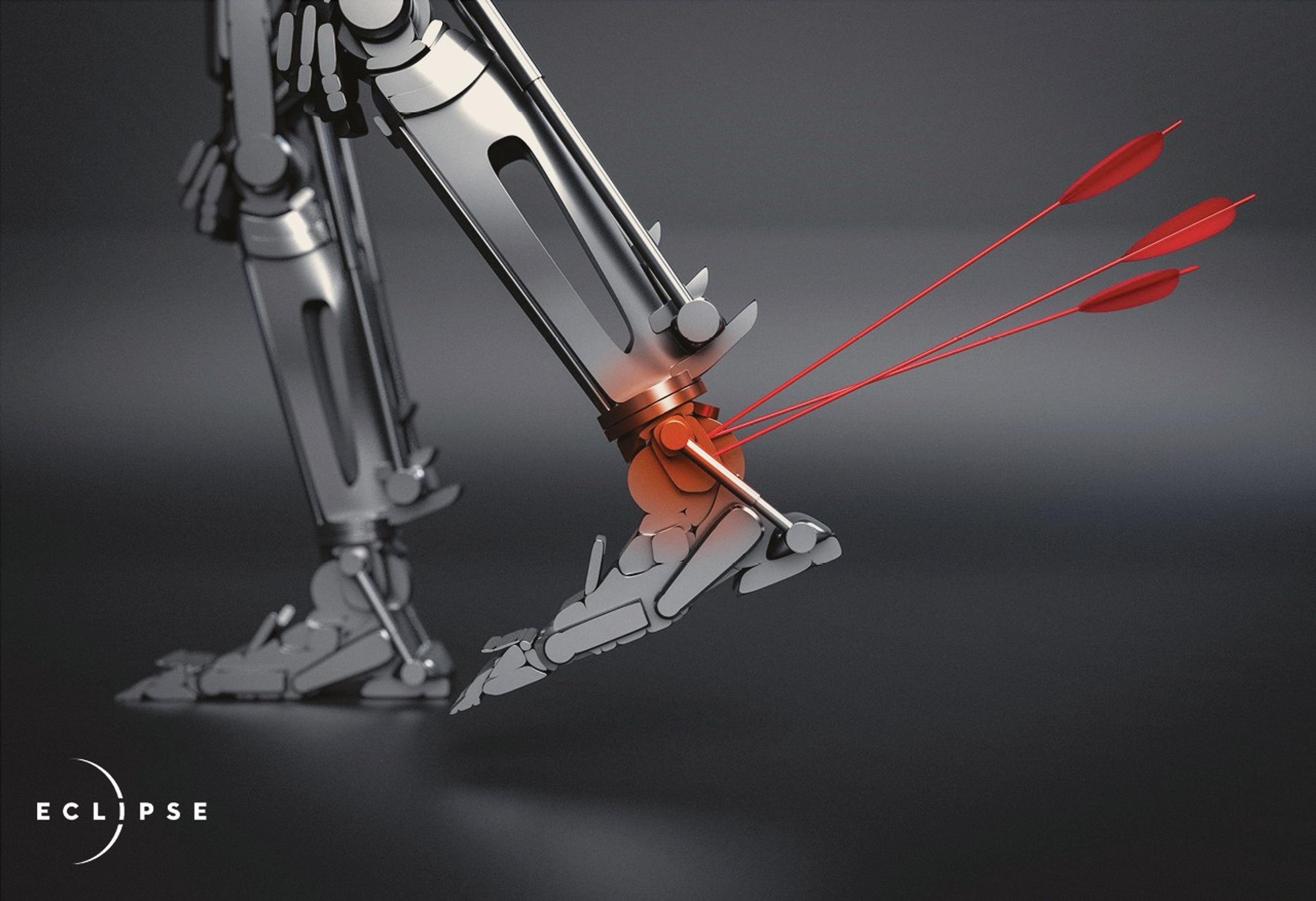
As technology increasingly becomes the infrastructure of the physical world, flaws in the hardware at the heart of these digital systems represent critical vulnerabilities that must be prevented. Those flaws often originate during the design stage, before chips are taped out and deployed, and that’s where companies like Tortuga Logic come in.
This month, the San Jose-based company announced a partnership with Mercury Systems, Inc. to ensure the security of computing systems at the U.S. Department of Defense (DoD). This came on the heels of an announcement in December that Tortuga won a series of contracts with the DoD and U.S. Air Force to enhance the security of next-generation microelectronics.
Since its launch in 2015, Tortuga has gone from a Ph.D. research project to a robust, automated software platform for identifying security flaws in silicon designs. Tortuga’s solutions have won the praise of industry leaders like Xilinx, Synopsys and Rambus.
“If you look at cybersecurity in general, it’s a system-level problem. It really affects the whole stack,” says , Tortuga’s co-founder and CEO. “Hardware’s the big broken link in the way that cybersecurity is being approached. If you compromise that, you really compromise the rest of the entire system.”