Bright Machines has announced its $126M Series C from Eclipse, BlackRock, Microsoft, NVIDIA, Jabil, Shinhan Securities, and includes $20M in venture debt from J.P. Morgan to continue to execute on its mission to give machines human-like adaptability in electronics assembly.
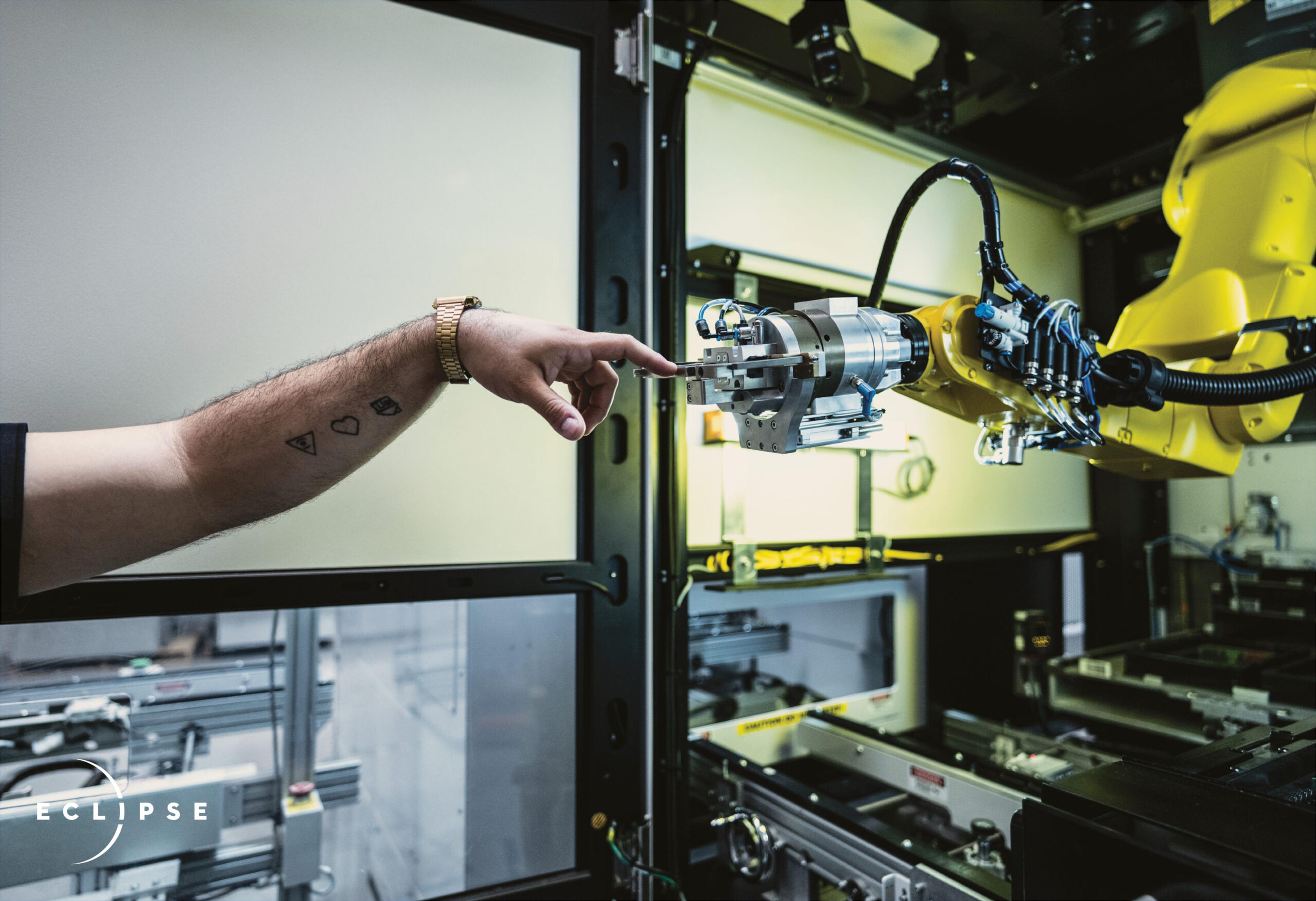
Despite all of today’s technological innovations, the manufacturing industry still heavily relies on human labor, with robots making up only 1.41% of the global workforce. I’ve long believed that in my lifetime we’ll see robots and humans working side by side, achieving a balance of 50-50 or even 70-30. This vision took root over 10 years ago in 2013 during my time at Flex. In the company’s factory located in Zhuhai, China, I saw over tens of thousands of workers performing repetitive tasks. Skeptics said it would take decades for robots to augment these jobs, but I believed that the $481B electronics manufacturing industry was ripe for transformation. Fast forward to 2018: I co-founded and built Bright Machines with the mission to give machines human-like adaptability in electronics assembly. The Eclipse team poured everything we had into this vision. Bright Machines became the first pre-seed company in Eclipse’s Venture Equity program, fully committed to revolutionizing manufacturing.
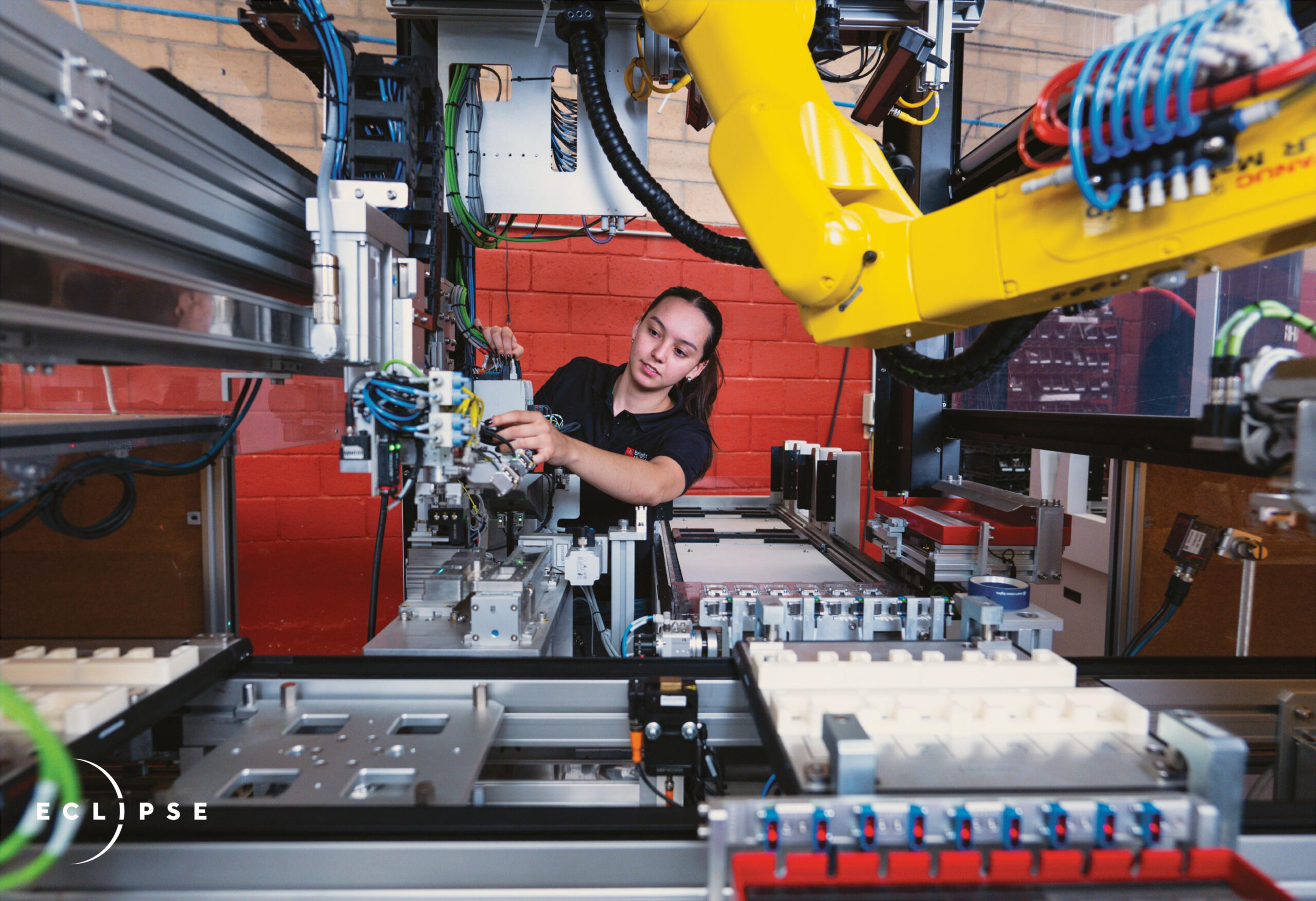
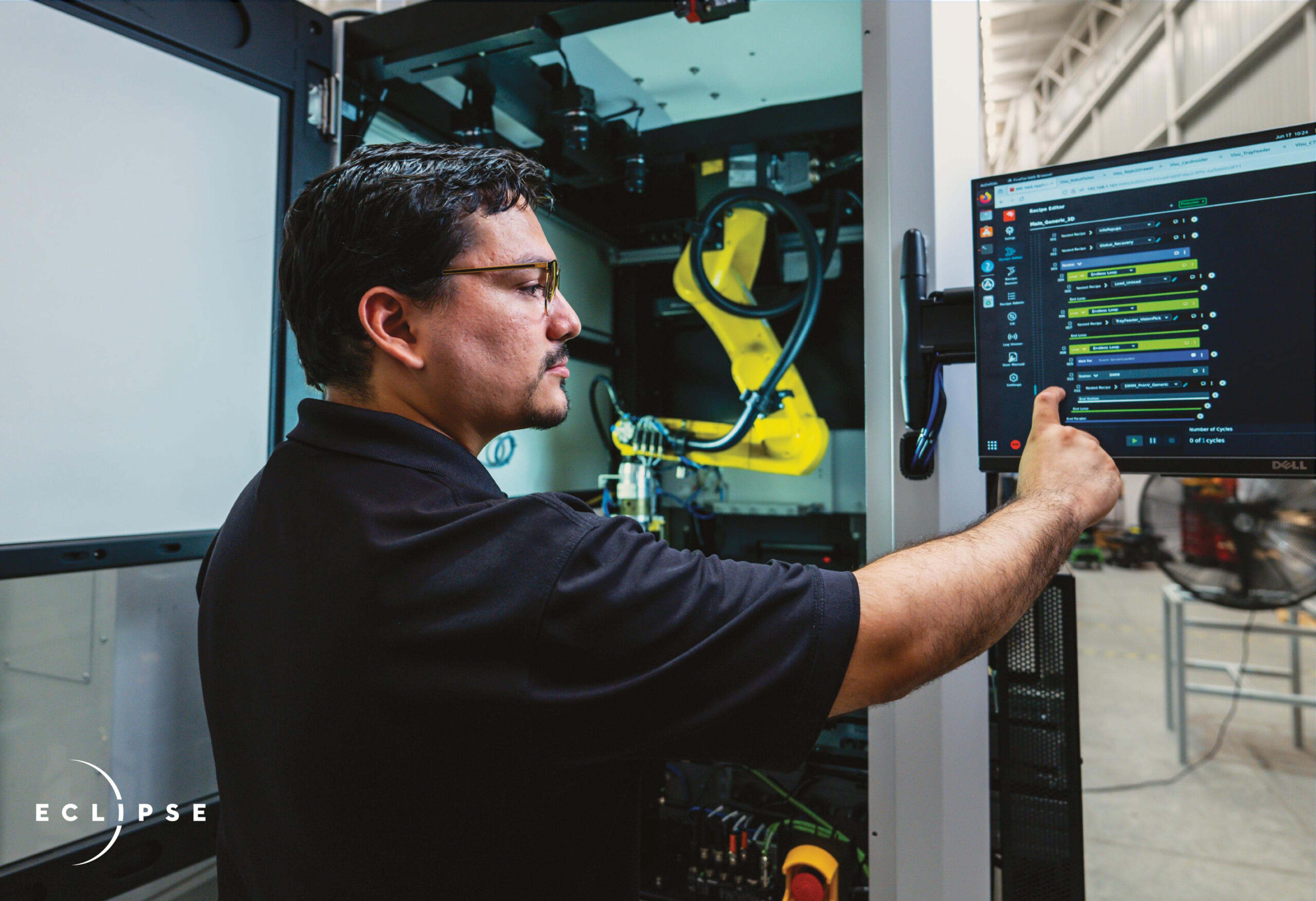
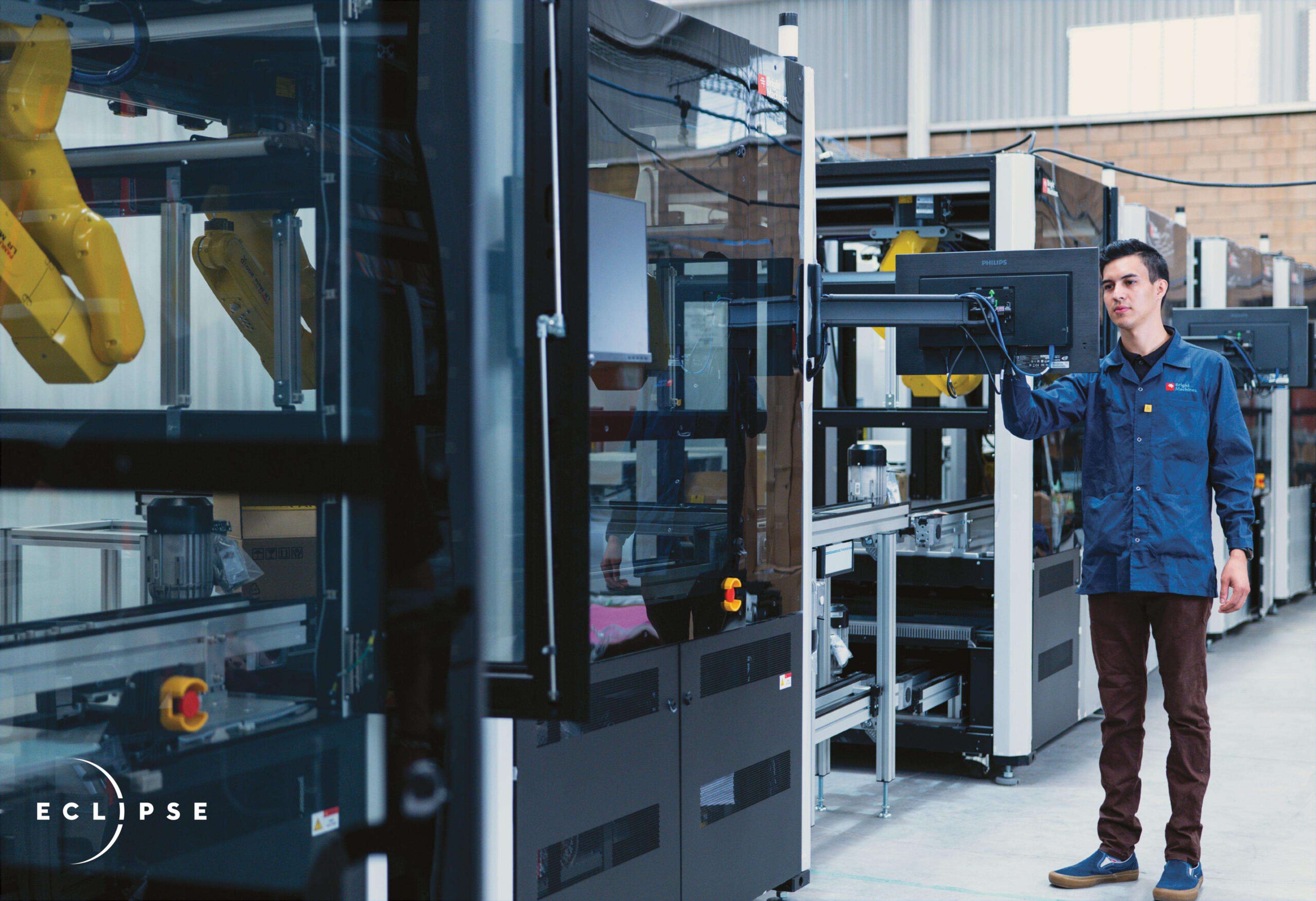
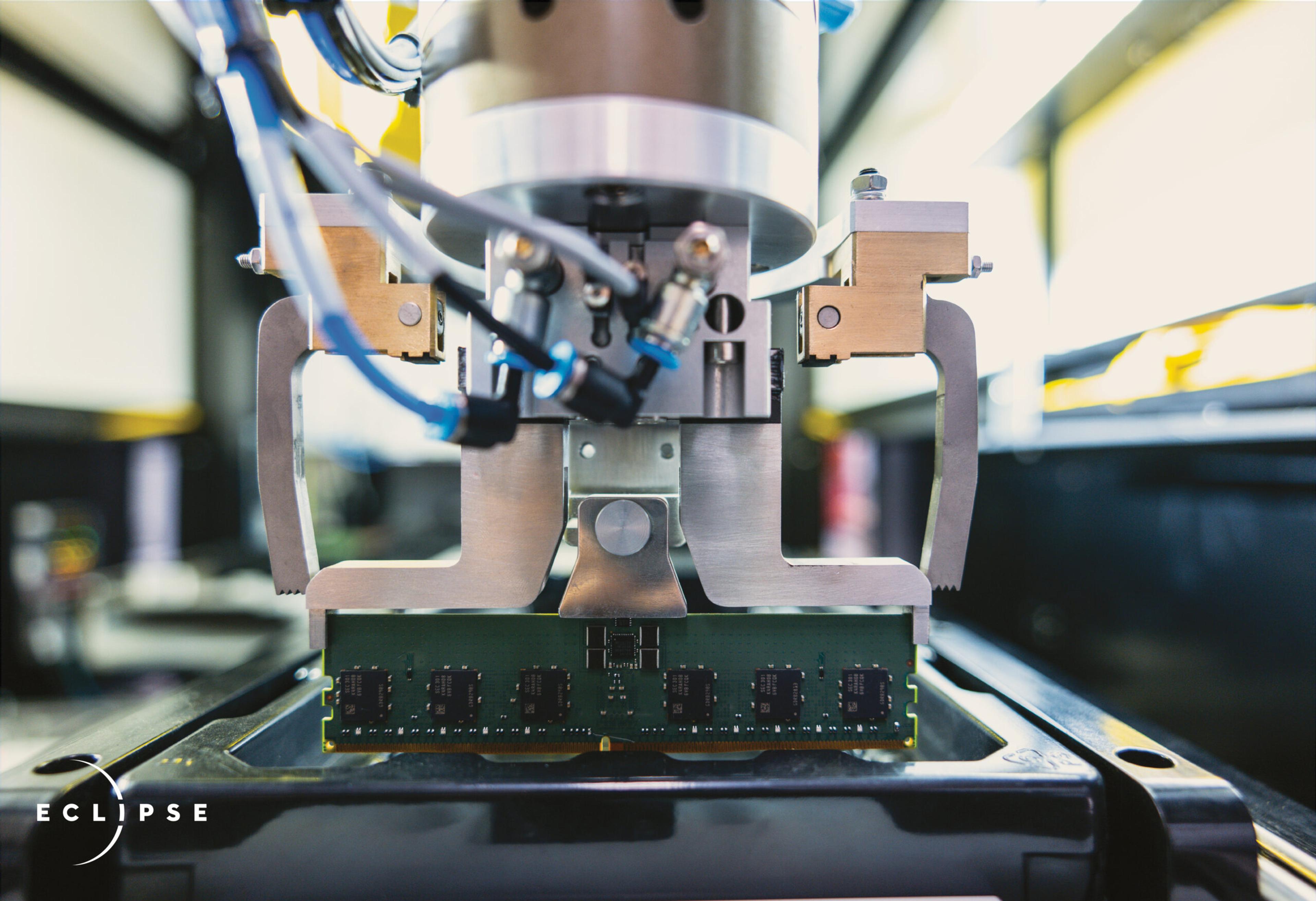
Since then, Bright Machines has become a leader in software-defined manufacturing, deploying full stack robotics in mass electronics production for top Fortune 10 companies. Today, Bright Machines announced its$126M Series C with equity investments from BlackRock, Microsoft, NVIDIA, Eclipse, Jabil, and Shinhan Securities, and $20M in venture debt from J.P. Morgan, to continue to execute on their mission.This comes after a recent partnership with Microsoft to deliver a full stack environment for all stages of the manufacturing life cycle, from product design to assembly to disassembly. Until Bright Machines, the quality of essential electronics like smartphones and GPUs hinged on the availability of human craftsmanship, a resource now scarce due to rising wages and a growing middle class. This labor shortage — coupled with geopolitical tensions — complicated outsourcing, and created the perfect storm for change. Meanwhile, electronic products have grown increasingly complex. In AI hardware production, for instance, the pace of progress is so fast that by the time you set up an assembly line, there’s already a new design. As a result, we’re seeing an to scale AI infrastructure, or what Bright Machines calls the “,” across compute and data storage.