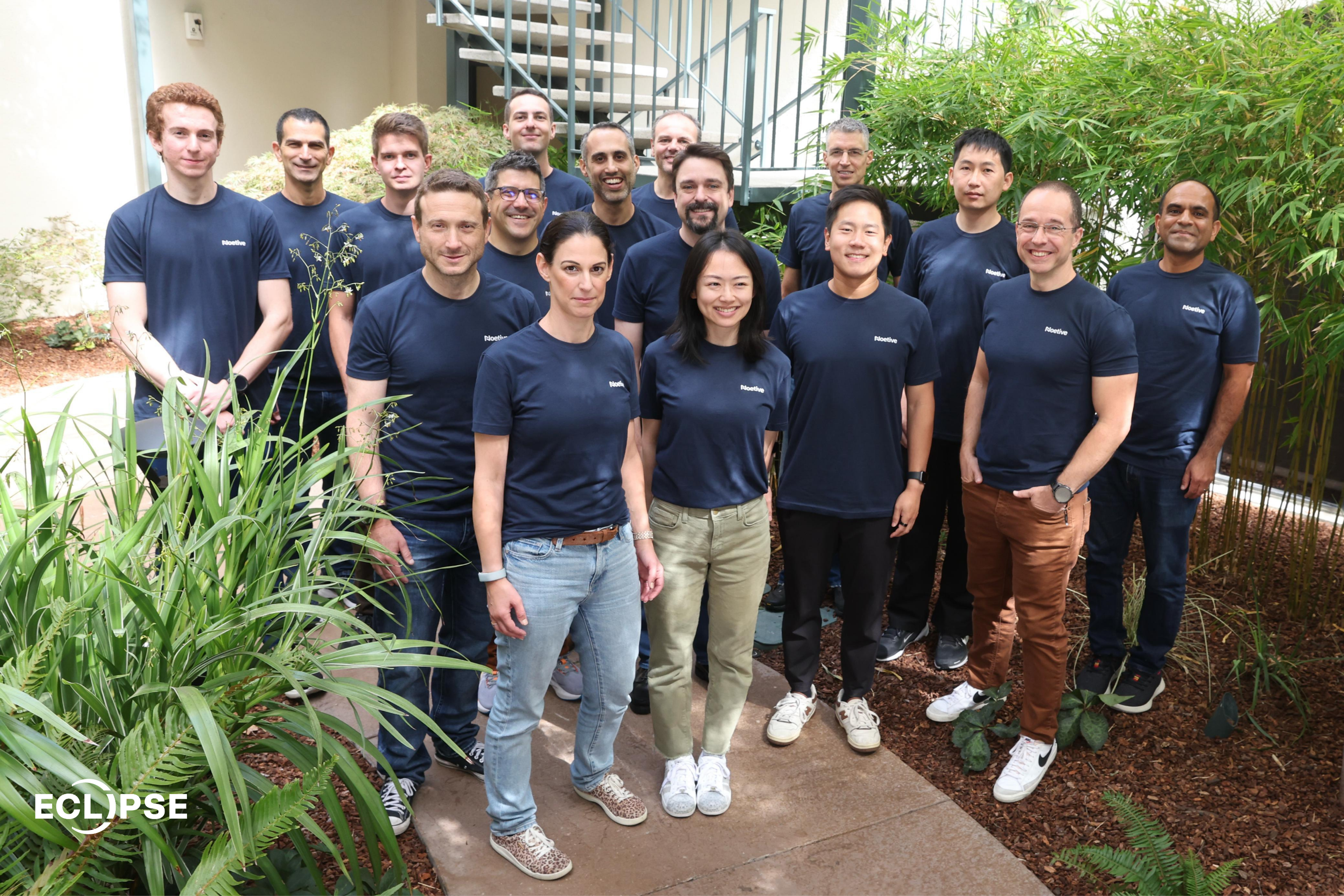
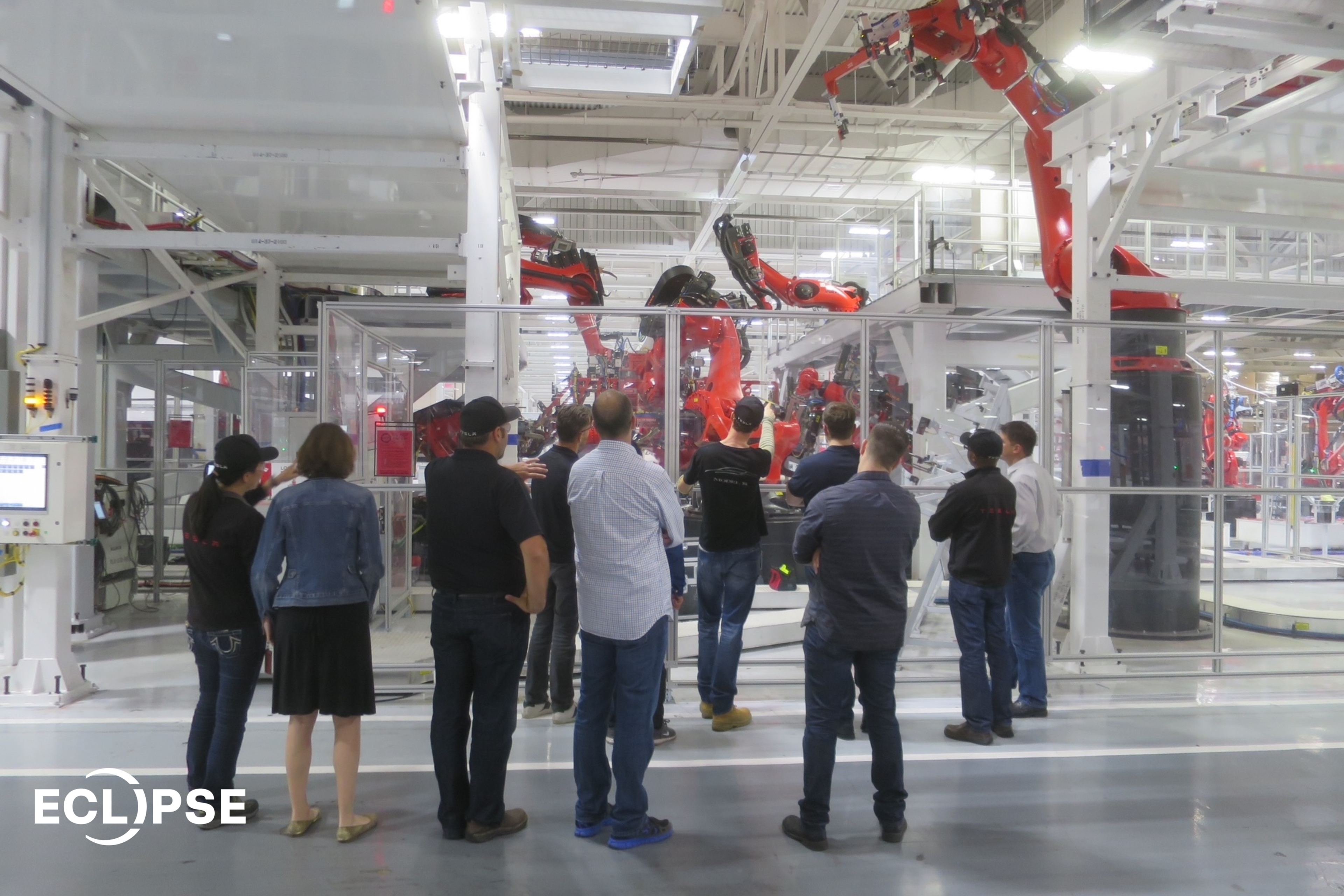
Earlier this month, the Eclipse team invited Robyn Ward, CEO and founder of FounderForward — a coaching and consulting firm for entrepreneurs and their teams — to lead a session on battling burnout in the workplace for our founders

‘You can’t be a great leader of others without first being a great leader of self.’ – FounderForward CEO Robyn Ward
In recent conversations with founders, we heard a common concern being raised when talk turned to how their teams were doing. They, like most of the U.S. workforce, were seeing signs of physical and emotional fatigue among their employees. Sometimes, they were even dealing with it themselves.
As former operations leaders, we dug deep into our own previous experiences to figure out how we could support these entrepreneurs and their teams. We empathized with them. We knew from our previous roles that leading high-performance teams in turbulent times requires specific skills, and that sometimes, the best solution is to bring in the experts.
So that’s what we did. Earlier this month, we invited Robyn Ward, CEO and founder of FounderForward — a coaching and consulting firm for entrepreneurs and their teams — to lead a session on battling burnout in the workplace. Having spent more than two decades in the tech-startup space, she knows how to speak to founders, what they need to look for on their teams, and how they ensure the long-term success of their companies. In the end, founders must ensure the well-being of their people.
In addition to the distinctions between stress and burnout outlined above, Ward shared some key signs that managers should look for to recognize the latter in employees, including:
If managers find that their employees are burning out, it may be time to step back and see if human well-being is clearly defined as a priority in the company’s values — and in the everyday words and actions of supervisors. Ward advocates shifting workplace culture by modeling from the top and “operationalizing wellness.”
A few examples:
Ward has identified six components of self-care that contribute to peak performance, and they apply to re-energizing employees as well. While each practice sounds simple, Ward says they are not easy to accomplish. She knows these behaviors can go against the very nature of hard-charging entrepreneurs and their teams.
That’s why she delivers the six pillars with data that speak to the obsessive optimizers among us:
Entrepreneurs are business athletes, and they need time to rest and recover in order to win as well. Ward also has suggestions for how founders should, and shouldn’t, start their day: First thing in the morning, identify the three big rocks. But do not wake up and start firing off emails — that’s not owning your day.
Self-identity is just as important as self-care. Founders who don’t maintain an identity outside of their company are more at risk of experiencing burnout, Ward says. And if they don’t make time in their day to maintain their health, family and relationships, what does that say to the rest of the company?
In light of the “Great Reassessment,” the reputation that startups are a caffeine-fueled, 24/7 grind is becoming a recruiting issue. Among some tech startups at the Series B stage and later, where companies are larger, Ward says there’s a greater risk of employees feeling less connected to the purpose of the company once cracks in the culture start to emerge.
She’s also finding that more experienced elder millennials and above are leaving startups for larger corporations that have the resources and established cultures to better care for their employees. Meanwhile, younger millennials and Gen Zers are leaning into solo-preneurship or creator-economy pursuits.
Ward says she first noticed a shift in the tech-startup scene about five years ago, when a small group of founders and funders began to speak out against “hustle culture” and the toll it was taking. And she hopes the current moment becomes a redefining one for the industry: “At the end of the day, people build companies,” she says. “Taking care of your people, versus burning them out, is just a smarter, better way to ensure long-term success.”
Citations:
* “Give Your Ideas Some Legs: The Positive Effect of Walking on Creative Thinking* “Give Your Ideas Some Legs: The Positive Effect of Walking on Creative Thinking,” Journal of Experimental Psychology
** “Giving thanks can make you happier** “Giving thanks can make you happier,” Harvard Health Publishing