Welcome to Eclipseâs Industrial Evolution Innovators Series, an introduction to the founders and companies shaping the New Economy.
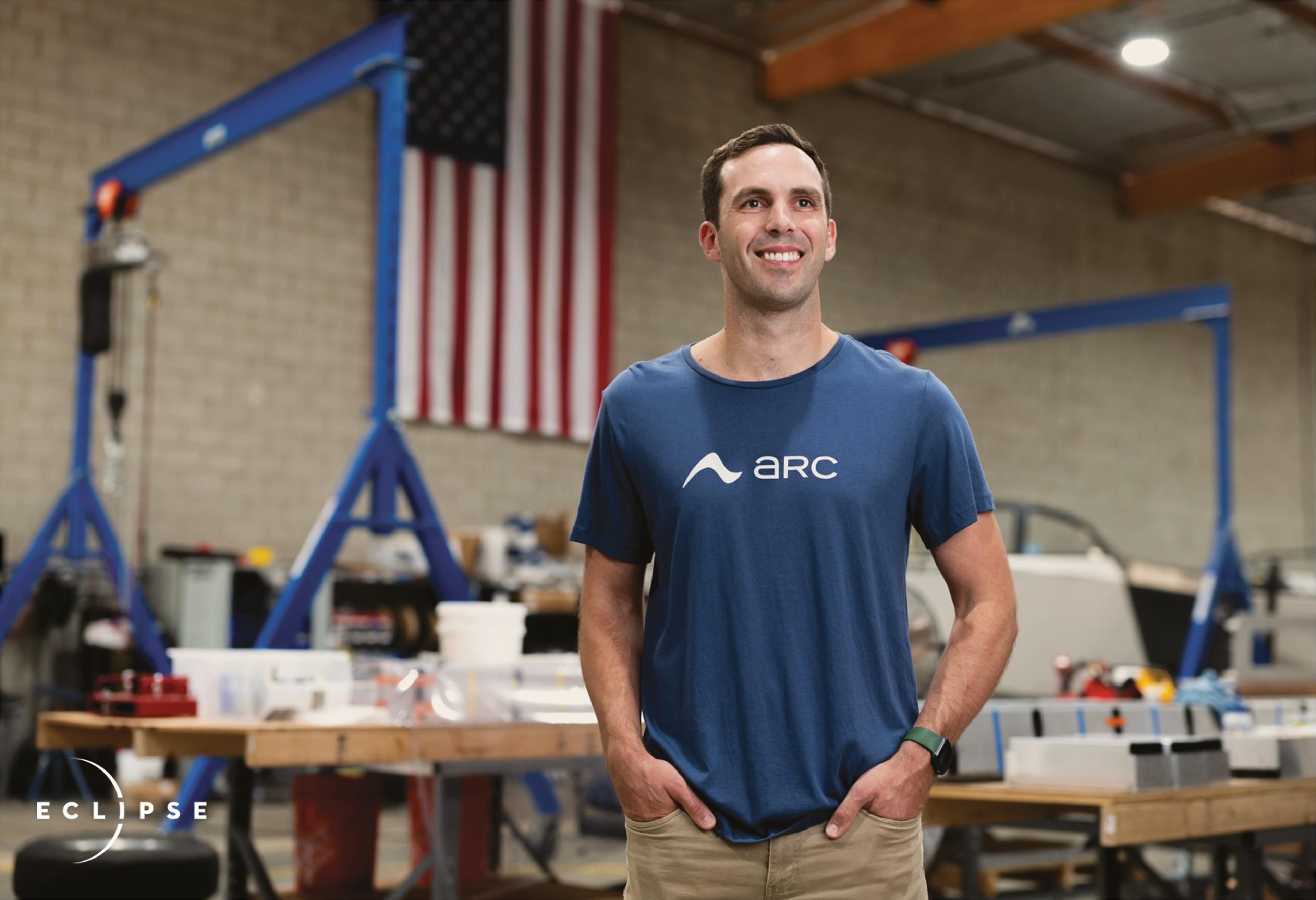
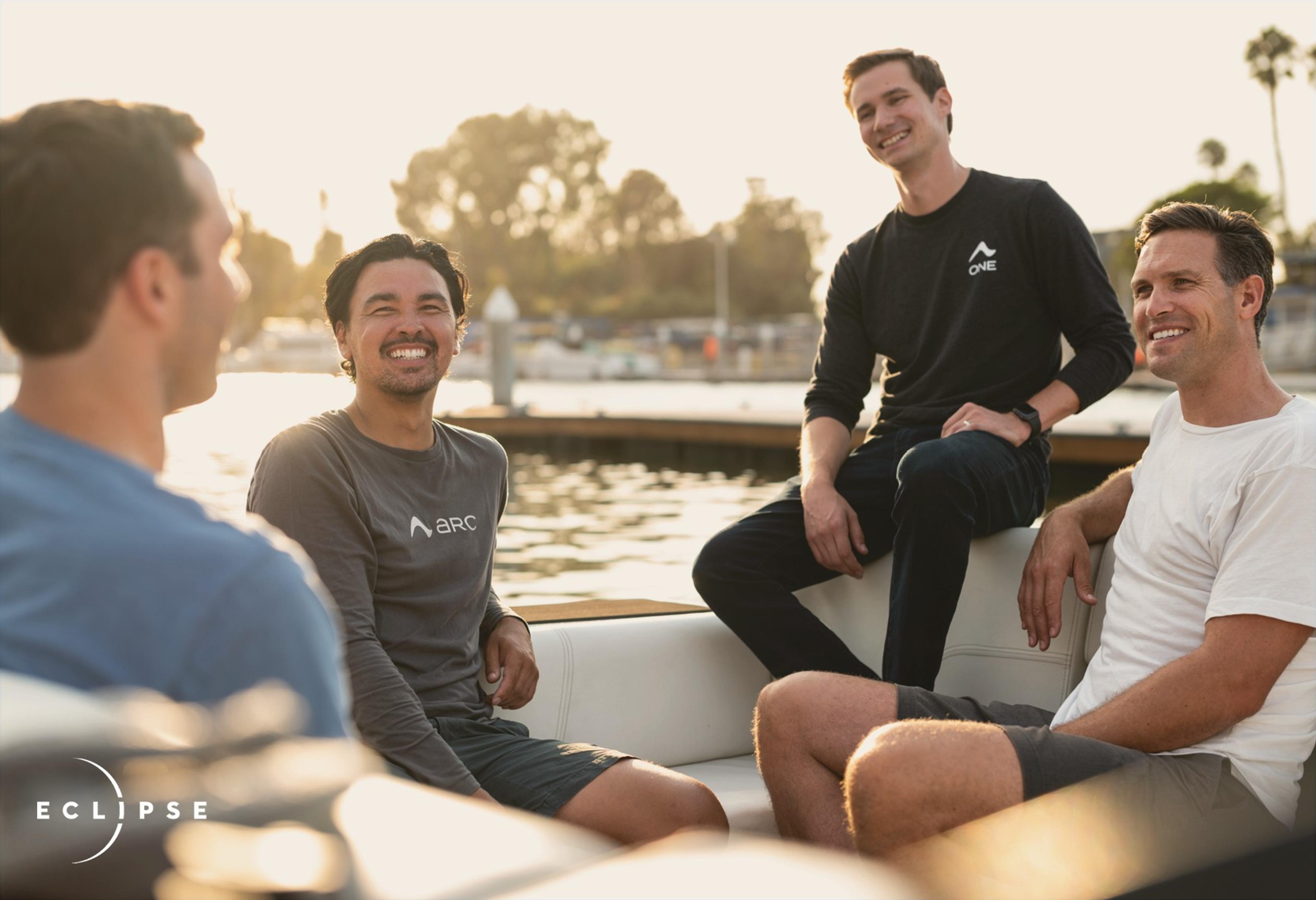
Beloved by hundreds of millions of Americans, boats contributed $31B to the U.S. economy in 2022 alone, a number that does not include an additional $29B for boat services and accessories. Despite its soaring popularity, the boating industry is overdue for a transformation, specifically in the form of an electric upgrade. Beyond obvious environmental damage, gas engines are incredibly costly to maintain, generate dangerous fumes during operation, and are wildly fuel-inefficient. Mitch Lee and Ryan Cook founded Arc in 2021 to design a boat that would be both better for the environment and for owners. Led by a team of former rocket engineers, Arc is on a mission to modernize and electrify the marine industry on an ambitious timeline. The limited-edition, luxury Arc One, Arcâs first electric boat, quickly sold out. For Arc, the initial concentration on luxury is similar to Tesla introducing the Roadster before taking on the larger electric vehicle (EV) market. The work and learnings from manufacturing the Arc One serve as a launchpad for Lee, Cook, and team as they scale up to a mass market product, while retaining the purpose-built batteries, sophisticated electric and software systems, and lightweight hulls from the Arc One. This vertically integrated approach will enable Arc to expand the boating industryâs electric production footprint, while decreasing its environmental one. We recently sat down with Lee, Co-Founder of Arc, to learn more about making the entrepreneurial jump from software to the physical world, taking a full stack, integrated approach to building the Arc One, and more. Eclipse: Can you tell us about the problem Arc is trying to solve?Mitch: Boats require a lot of power and, therefore, energy. Electrifying boats is non-trivial. Weâre striving to make high-power electric boats viable at a reasonable price point and actively seeking ways to improve the experience of the water for owners and passengers. Traditionally, consumer boats are noisy pollutants with outdated designs that require endless upkeep. I like to refer to gas boats as oversized lawn mowers with technology from the 1980s. These boats spew fumes, theyâre loud, theyâre noxious, and theyâre unreliable. Electric boats are quieter, quicker, easier, and less expensive to maintain. Imagine going more than 20 miles per hour on a boat while chatting â not screaming â with your friends and family, plus the sheer appreciation of being in nature. Thatâs what weâre doing. Our electric boats also solve for range anxiety: they show battery capacity down to the percentage point with highly functional speedometers and intelligent software that will warn you if youâre starting to veer out of reach of the shore. The development of is just the beginning â weâre on a mission to electrify the marine industry with the next generation of watercraft, transforming the terrible customer experience of traditional boats and alleviating the environmental harm in the process.
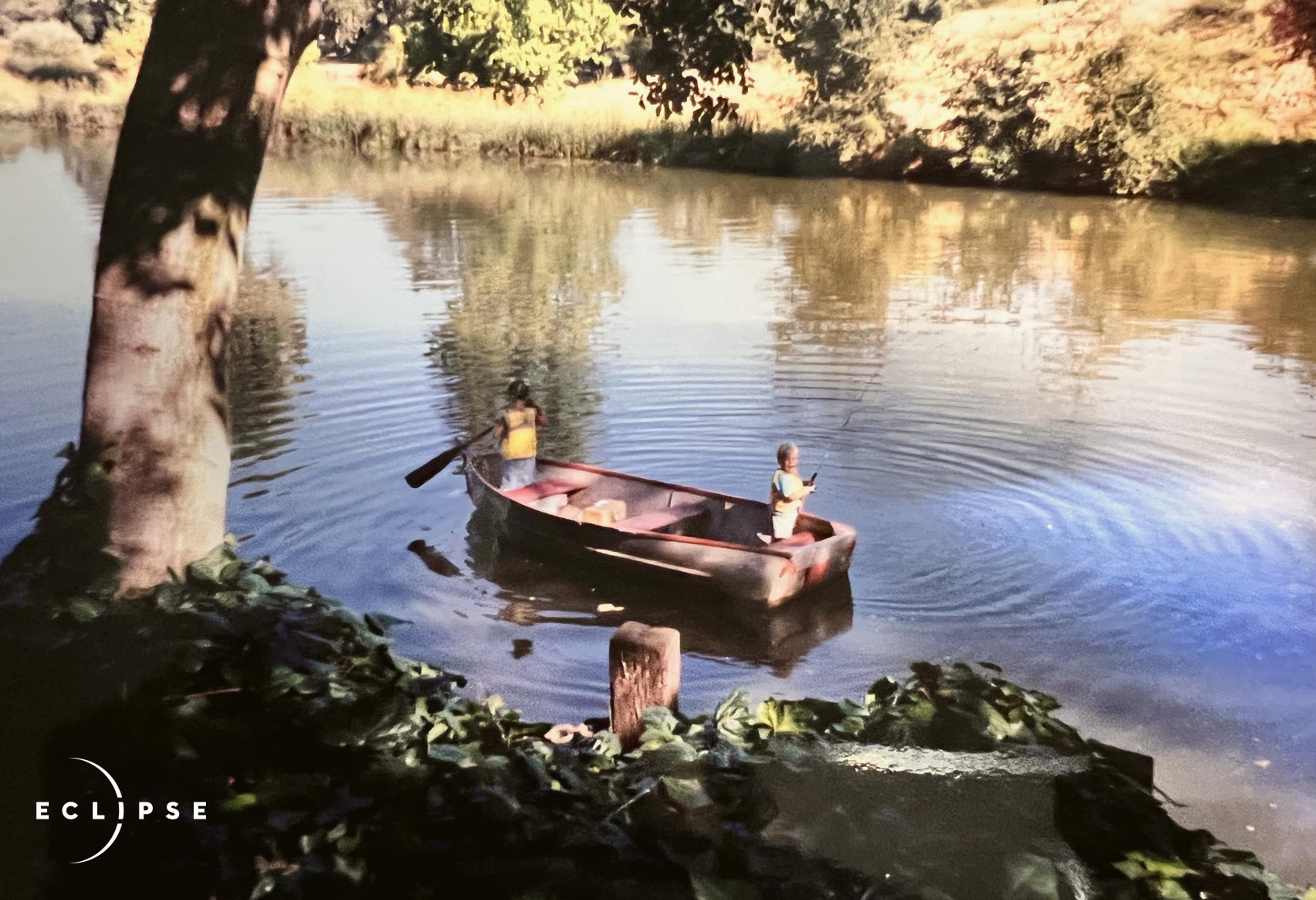
Eclipse: Tell us about yourself. Mitch: As a Co-Founder of an electric boat company, it wonât be surprising to hear that I grew up on the water. I was raised in the Bay Area by parents who are passionate about water skiing, so I spent a lot of time on boats from a very young age â not just water skiing, but also fishing and swimming. Looking back, I was always in and around water. That didnât change much when I went to college and received my mechanical engineering degree from Northwestern, and also joined the triathlon club. My first job out of college was with Boeing Defense, working on the AH-64 Apache out of Mesa, Arizona. I was a stress analyst on their composite rotor blades, but I sensed I was getting specialized very quickly and became nervous about career mobility. I decided to retool as a developer and spent about seven or eight years working on software after moving back to the Bay Area.

Eclipse: What made you jump from software to physical hardware? Mitch: I have two great passions in life and one is being out on the water. Working on boats as a career could not be more fulfilling. The other, which might be less obvious, is personal finance. As a software developer in FinTech, I enjoyed helping others with personal finance and financial literacy. But with time, I struggled with cognitive dissonance â lofty mission statements often mask more complicated business models and incentives. Thatâs when I knew I wanted to build a product that is unambiguously good for the world. And thatâs exactly what Arc is. When we tell anyone what weâre doing â working to displace gas-guzzling boats polluting the water today with clean, electric boats â they nod along and say, âThatâs awesome. Iâm glad that company exists.â Thatâs motivating from a vision and mission perspective. I also wanted to build a business driven by execution risk, rather than market risk. Ultimately, weâre trying to develop better boats. Unlike industries like cryptocurrency and augmented reality â which have significant market risk â weâre entirely responsible for our success: if we succeed at making better boats, they will sell. In other words, we control our own destiny. Eclipse: Was making the transition from FinTech to physical industries difficult? Mitch: There are more similarities between software and hardware than most people think. Traditionally, people view hardware as big, slow, expensive, and difficult, but it is possible to move very quickly. This is what Arc and other organizations like SpaceX are demonstrating â the big difference comes down to the mentality you bring to hardware versus software. In software, there are endless conversations about product-market fit. You need to incessantly experiment and iterate to find your way to product-market fit, the right virality loops, and exponential growth. Thereâs less focus on that in the physical space. Sure, itâs still there, but you also have a higher conviction that what youâre building is valuable. The real challenge for hardware is execution. There are no shortcuts â manufacturing is hard. Itâs painful to go through the process. But it pays off. During our first delivery to a customer, they said, âThe process of creating something delightful is not itself delightful.â I thought it beautifully summarized the experience we had building the Arc One. We put a powerful engineering boat on the water within months of starting the company, and delivered our first boat to a customer within two years of inception. Weâre developing boats far faster than the industry standard. We need to flip the script a little and show we can move our physical industries forward faster than people think. Hardware execution naturally comes with challenges, but software is fickle. Customers are fickle. Hardware is driven by execution risk, which is a good risk if you find the right team and have the right high-conviction investors backing you. Thatâs what I love about working with partners like Eclipse â strong operating experience helps us move this fast. In my mind, the opportunities are much more tangible and motivating on the hardware side compared to what I see with software. Eclipse: Can you tell us about your team at Arc? Mitch: My Co-Founder and Arcâs Chief Technology Officer, Ryan Cook, and I overlapped at Northwestern. He also studied mechanical engineering, and I helped recruit him to Boeing the year after I graduated. Our paths diverged when he went to work at SpaceX, while I took my detour into software. Objectively, Ryan is the better engineer. Thatâs why my role at the company is very focused on almost everything outside of engineering. Engineering principles come naturally to him â things just click in his head that way. I think our partnership works well because I have a comparative advantage on the business side. I synthesize information from engineering and production and react accordingly. What I enjoy most about working with Ryan is that heâs incredibly composed under pressure. Things donât always go your way in a startup, particularly a hardware startup where you are delivering vehicles to customers. Ryan is strongly biased toward action and executes gracefully in stressful situations.
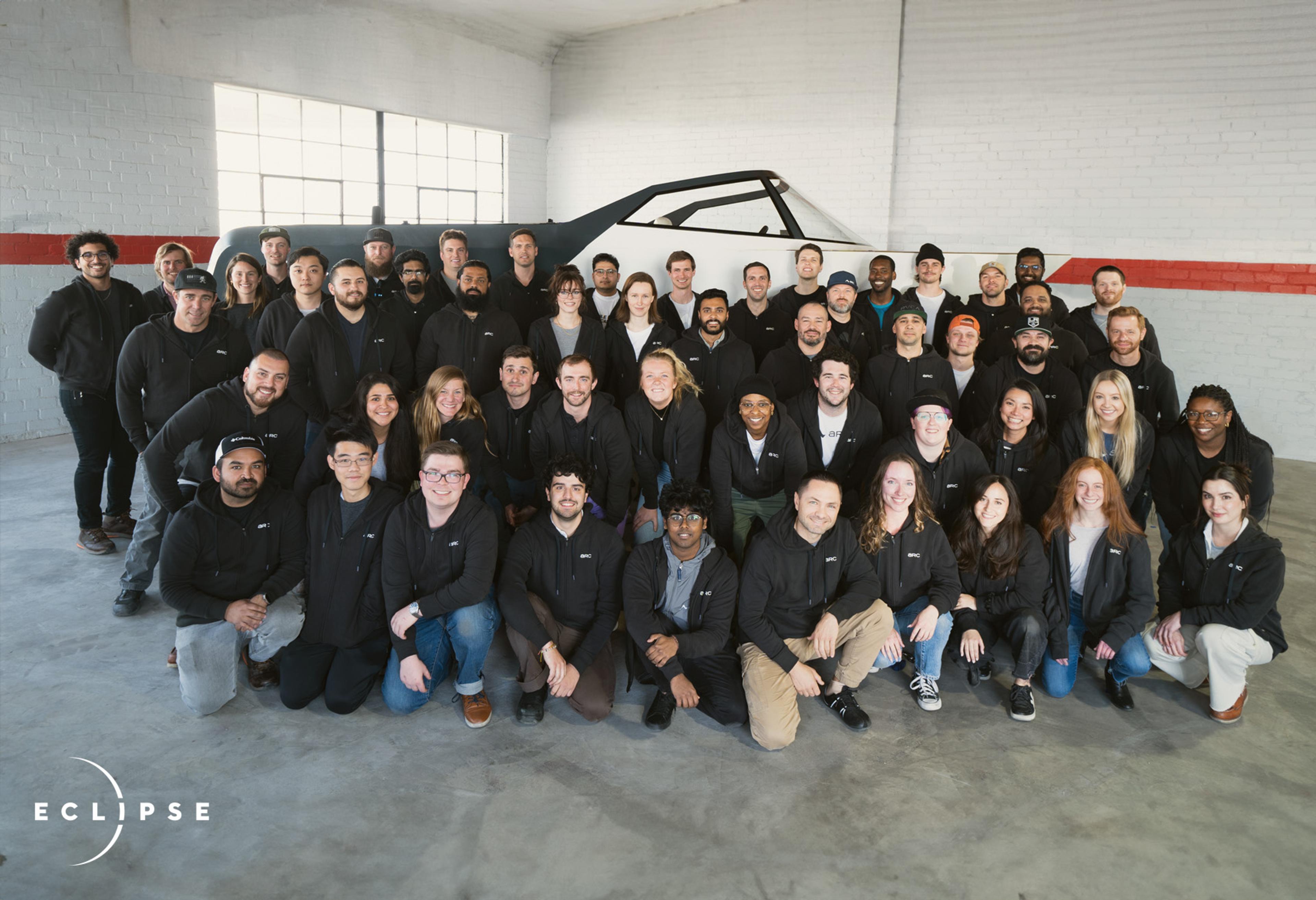
As for the rest of the team, I like to joke that Los Angeles is a pretty bad place to make boats. But it is a phenomenal place to assemble an insanely talented team to make electric boats. With people from SpaceX, Tesla, and Rivian, among others, the talent at Arc is unrivaled and we are all very motivated by our mission. These individuals iterate quickly, think from first principles, and question assumptions. This approach is really important when youâre going after a relatively new product like an electric boat at this level of performance.

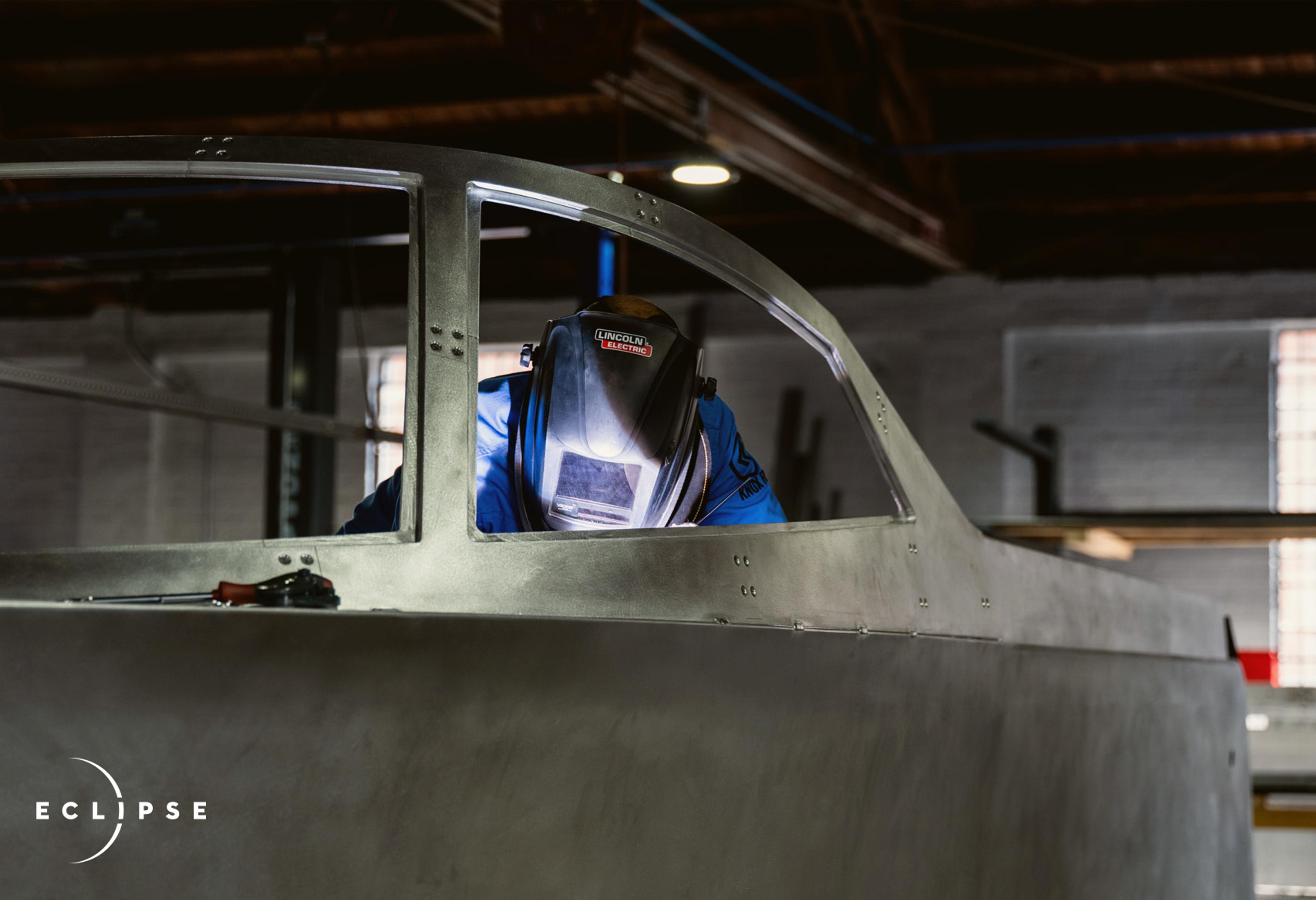
Eclipse: Can you talk about your decision to take a full-stack, integrated approach in building the Arc One? Mitch: Choosing to vertically integrate is not a path chosen lightly. It comes with a high fixed overhead, more upfront investment, and more time and complexity. But vertical integration can also drive stronger, long-term returns and provide greater control over quality, costs, and reliability of supply chains. Our approach is also not all or nothing. We focus on vertically integrating the parts that really set us apart and not vertically integrating the âtable stakes partsâ. Battery packs are a good example. Having control over the battery pack size, capacity, voltage, and layout is incredibly valuable to us. The hull is also crucial because we need to compensate for the weight of those battery packs and integrate them intelligently with the cooling system to unlock maximum performance. On the other hand, upholstery or windshield manufacturing is not something we would vertically integrate â that is, until it becomes a production limiter. The truth is that most boats are built piecemeal. Typically, there are separate manufacturers for the hull, motor, gas tank, and even the GPS map on the boat. The degree to which we vertically integrate is unique for the marine industry. By designing our battery packs, powertrain, thermal control systems, and software in-house, we deliver optimal performance and a cohesive design that doesnât exist on any other watercraft. A related point is that boat building is just as much an art as a science. Optimizing for one area, say, efficiency, necessarily sacrifices another area, say, smoothness of the ride. Generally speaking, thereâs no perfect hull design â youâre making tradeoffs depending on what you are optimizing for. And that art paired with the science of modern hull manufacturing is something we respect at Arc. Our boats are built from scratch, blending modern aerospace design and manufacturing techniques with traditional marine craftsmanship.

Eclipse: Whatâs on the horizon for Arc that youâre most excited about? Mitch: As someone who grew up involved in water sports, Iâm excited to further target the wake sports industry. Similar to the Tesla Roadster, the Arc One is a limited-edition boat. The Arc One is exciting because of its performance, but it doesnât have the same range of features offered by wake sport boats today. Our next move is to enter that market. From a business perspective, we benefit from compounding returns of the work that weâre doing. It might not seem like it at a surface level, but the work and the learnings from Arc One position us to create a compelling product in our next phase. Each week, we toil away at this problem, compounding our returns and building the foundation for us to go after the rest of the marine industry. Thatâs really exciting for me. Our moat is growing by the day. Even if you canât tell because weâre relatively early in that process, I see that rate of change and trajectory. If you project that out another few years, it becomes quite exciting. Weâre laying the foundation to develop even more innovative products down the line. Iâm extremely enthusiastic about making better boats and improving the customer experience.
Eclipse: When did you realize Arc delivers something revolutionary to the marine industry? Mitch: Iâve had several of those moments along the way. They occur most often when I see somebody elseâs first experience on one of our boats. I see their faces light up and how excited they get about the product that weâve built. Those moments continue to crystallize that what weâre doing is exciting, and even more importantly, is the future of the marine industry. Follow Arc on LinkedIn for the latest on electrifying the marine industry. Follow Eclipse on LinkedIn for the latest on the Industrial Evolution.